Common Aging Dog Diseases and How to Manage Them


Helping Your Senior Dog Stay Healthy: Common Aging Conditions Explained
Your once-energetic dog now hesitates at the stairs. They sleep through most of the afternoon and seem less interested in their favorite toys. You tell yourself it's just aging, but a quiet worry lingers: what if something more is happening?The truth is, aging brings natural changes, but it also increases vulnerability to chronic diseases that can quietly progress without obvious symptoms. The good news? Many of these conditions are manageable when caught early, allowing senior dogs to maintain comfort, mobility, and joy well into their golden years.At Southern Crossing Animal Hospital in Memphis, TN, our concierge-style practice specializes in personalized senior care, combining advanced diagnostics like ultrasound and echocardiography with compassionate, Fear Free handling to help aging dogs thrive.
Why Slowing Down Isn't Always Normal Aging
It's easy to assume that reduced activity and longer naps are simply part of getting older. While aging does affect metabolism, organ function, and mobility, many changes that owners attribute to "just getting old" are actually signs of treatable disease.Supporting your senior pet through veterinary care is the best way to tell the difference between normal aging and medical conditions that require intervention. Arthritis, heart disease, kidney dysfunction, and cognitive decline all present with subtle symptoms that mirror natural aging but respond well to treatment when detected early.This is why preventive testing for senior pets becomes essential for maintaining health as dogs age. Twice-yearly exams, bloodwork, and diagnostic imaging allow veterinarians to identify changes before they cause pain or compromise quality of life. Our AAHA-accredited hospital follows gold-standard protocols to ensure your senior dog receives comprehensive, proactive care.
Arthritis: The Most Common Source of Senior Discomfort
Osteoarthritis is one of the most common conditions in older dogs, causing joint inflammation, cartilage breakdown, and chronic pain. Affected dogs may struggle to rise, avoid stairs, or become less active.Managing arthritis involves anti-inflammatory medications, weight control, and low-impact exercise such as swimming or gentle walks- among the best exercises for dogs with osteoarthritis.Home modifications make a big difference. Soft bedding, non-slip flooring, and ramps create an arthritis-friendly home for dogs. Assistive devices like harnesses and orthopedic beds help dogs move safely and stay comfortable.At Southern Crossing, we create personalized pain management plans that include medications, supplements, and lifestyle guidance suited to your dog’s needs.
Heart Disease: Silent but Detectable
Heart disease becomes more common with age, reducing the heart’s ability to pump blood efficiently. Early signs include coughing, fatigue, and occasional fainting.Diagnosis begins with a physical exam and heart disease evaluation. Our in-house echocardiography allows real-time imaging of heart function without referral.Treatment focuses on medications that reduce fluid buildup, strengthen contractions, and control blood pressure. With proper management and at-home monitoring, many dogs live comfortably for years.
Kidney and Liver Disease: Managing Organ Decline
As dogs age, kidney and liver function may decline, leading to thirst, appetite loss, vomiting, and lethargy.Chronic kidney disease gradually impairs the kidneys’ ability to filter toxins. Early detection through bloodwork allows for diet changes, fluid therapy, and medications that slow progression.Liver disease in dogs may cause similar signs, along with jaundice and neurological changes. Ultrasound and lab testing help identify the cause and guide treatment.With prescription diets, medication, and regular monitoring, many dogs maintain a good quality of life for years after diagnosis.
Endocrine Disorders: When Hormones Go Wrong
Hormonal imbalances are common in senior dogs and affect metabolism, energy, and coat quality.Diabetes mellitus causes thirst, frequent urination, and weight loss despite appetite. Managing diabetes in pets requires insulin therapy and a consistent diet.Hypothyroidism slows metabolism, leading to lethargy, weight gain, and thinning fur. Hypothyroidism in dogs is easily diagnosed with bloodwork and treated with daily medication.Both respond well to treatment when caught early through regular wellness exams and blood screening.
Cognitive Dysfunction: Canine Dementia
Senior dogs can develop cognitive dysfunction syndrome, a form of age-related dementia.Common signs include disorientation, sleep changes, altered interactions, and loss of house training.Though not curable, symptoms can be managed with enrichment, routines, and prescription diets. Supplements for senior dogs containing omega-3s and antioxidants may also help slow decline and support brain health.
Cancer: Early Detection Saves Lives
Cancer risk rises sharply with age. Recognizing the types of cancer in pets helps owners spot signs such as new lumps, sores, or unexplained weight loss.Our cancer screening services include physical exams, imaging, and biopsy. Early detection offers the best chance for successful treatment through surgery, chemotherapy, or comfort care.Never ignore a new lump or behavioral change- catching cancer early can save your pet’s life.
Dental Disease: More Than Just Bad Breath
Dental disease is one of the most overlooked sources of pain in senior dogs. Bacteria from infected gums can spread to the heart, liver, and kidneys.A healthy mouth supports overall wellness. Our dental and digital X-ray capabilities allow us to detect disease below the gumline and treat it effectively.Professional cleanings under anesthesia and daily brushing prevent infection, pain, and tooth loss- keeping your senior dog comfortable and healthy.
Hospice and Palliative Care: Comfort When It Matters Most
As dogs enter their final stage of life, the focus shifts from cure to comfort. At Southern Crossing Animal Hospital, our hospice and end-of-life care services are designed to support both pets and families through this difficult time.Palliative care aims to relieve pain, manage symptoms, and maintain your dog’s dignity and comfort at home. Our team helps create personalized care plans that may include pain control, mobility support, nutritional guidance, and emotional reassurance for the family.We also guide owners in recognizing when quality of life begins to decline, ensuring every decision is made with compassion and respect. With attentive hospice care, pets can spend their remaining time surrounded by love and peace.
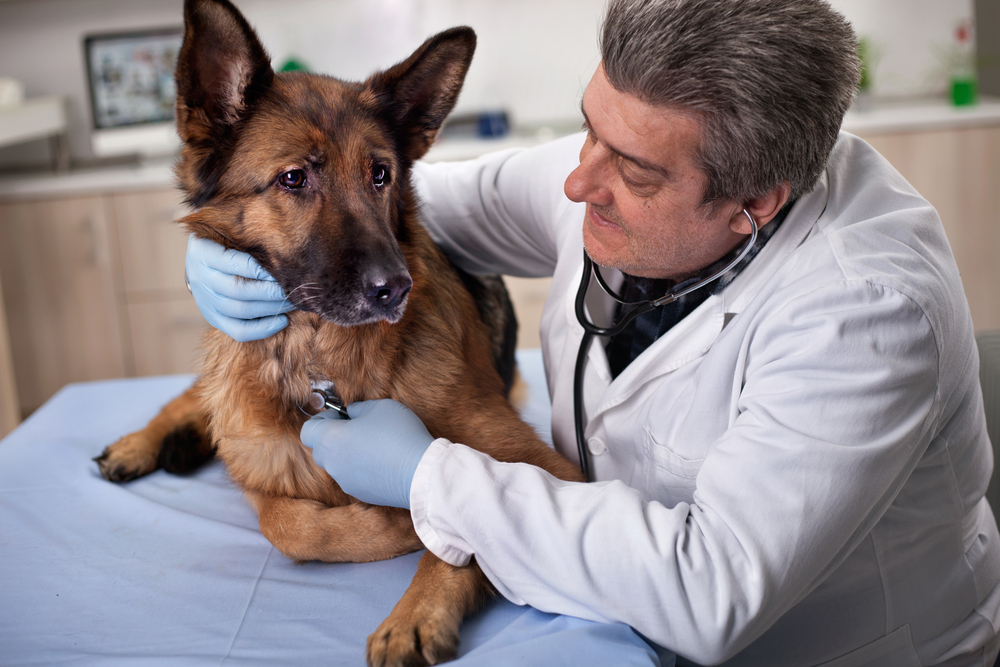
Helping Your Senior Dog Age with Grace
Aging doesn't have to mean discomfort or declining quality of life. With proactive veterinary care, early disease detection, and thoughtful home management, senior dogs can remain active, alert, and happy members of your family.At Southern Crossing Animal Hospital, our concierge-style practice provides comprehensive dog care tailored to each pet's unique needs. From advanced diagnostics to compassionate urgent care, we partner with you to help your aging dog thrive.If your dog is entering their senior years or showing signs of slowing down, schedule a senior wellness exam today. Call (901) 452-3171 or visit us at 614 Minor St., Memphis, TN 38111. Together, we can help your dog age comfortably and happily.