Is Your Dog Scratching? Summer Allergies in Memphis Pets
Is Your Dog Scratching? Summer Allergies in Memphis Pets
If you have noticed your dog or cat scratching, licking, or biting at their skin more than usual this summer, you are not alone. As temperatures climb in Memphis and humidity rises, many pets start to show signs of seasonal allergies. At Southern Crossing Animal Hospital, located at 614 Minor St, Memphis, TN 38111, our team of veterinarians often hears from concerned pet owners about dogs and cats who suddenly seem uncomfortable, restless, or downright miserable. If you are looking for answers about pet allergies, this guide will help you understand why your pet is so itchy, what symptoms to watch for, and how our AAHA-accredited, Fear Free certified team can keep your companion feeling their best through the summer months.
We will explore how allergies develop in Memphis pets, the most common triggers during hot and humid weather, and the advanced care options available at Southern Crossing Animal Hospital. Whether you are in East Memphis, Colonial-Yorkshire, Olive Branch, or the surrounding communities, our clinic is dedicated to supporting your pet’s comfort and long-term health.
Recognizing the Signs: Is Your Pet Suffering from Summer Allergies?
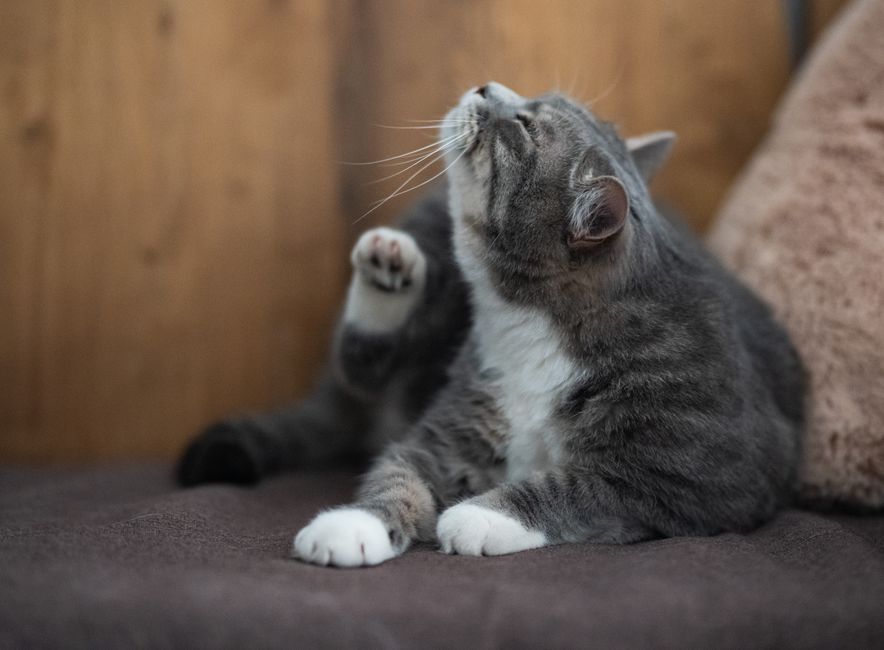
Summer allergies often sneak up slowly, but many pet owners notice a sudden increase in scratching, licking, or chewing at the fur and skin. Key symptoms of summer allergies in dogs and cats include persistent scratching, frequent licking of the paws or belly, biting at the base of the tail, red or inflamed skin, hair loss, and recurring ear infections. Some pets may develop watery eyes, sneezing, or even mild coughing. You might also see hot spots , areas of raw, moist, irritated skin that can appear almost overnight. If your dog or cat is restless at night, seems sensitive when you touch certain areas, or is leaving clumps of fur around the house, allergies may be the culprit.
In Memphis, these symptoms often become more noticeable during late spring and summer, when pollen levels peak and pets spend more time outdoors. It is important to remember that every pet is different; some may show only subtle signs, while others become intensely uncomfortable.
What Causes Summer Allergies in Memphis Pets?
Allergies in pets develop when their immune system overreacts to normally harmless substances, known as allergens. In the humid Memphis summer, the most common environmental allergens include pollens from grasses, trees, and weeds, as well as mold spores and dust mites. Pets can also react to flea bites, which are especially problematic during warm months, and sometimes to certain foods or chemicals in grooming products.
Dogs and cats can be affected by one or more types of allergies. Atopic dermatitis, which is triggered by environmental allergens, is especially common in our region. Flea allergy dermatitis is another frequent cause of itching and skin irritation; even a single flea bite can set off a major reaction in sensitive pets. In some cases, food allergies or sensitivities to shampoos, detergents, or topical medications may play a role.
The warm, moist climate in Memphis creates ideal conditions for pollen, mold, and fleas to thrive. Pets who spend time outdoors, especially in grassy yards or parks, may be exposed to higher levels of allergens. Even indoor-only cats can be affected, as pollen and mold spores easily travel inside on shoes, clothing, and open windows.
Professional Treatment: How Southern Crossing Animal Hospital Can Help
If your dog or cat is scratching excessively or showing other signs of summer allergies, it is important to schedule an appointment with a veterinary team that understands the complexities of skin and allergy care. At Southern Crossing Animal Hospital, we provide dermatology services for pets including diagnosis and treatment of skin issues designed to get to the root of your pet’s discomfort.
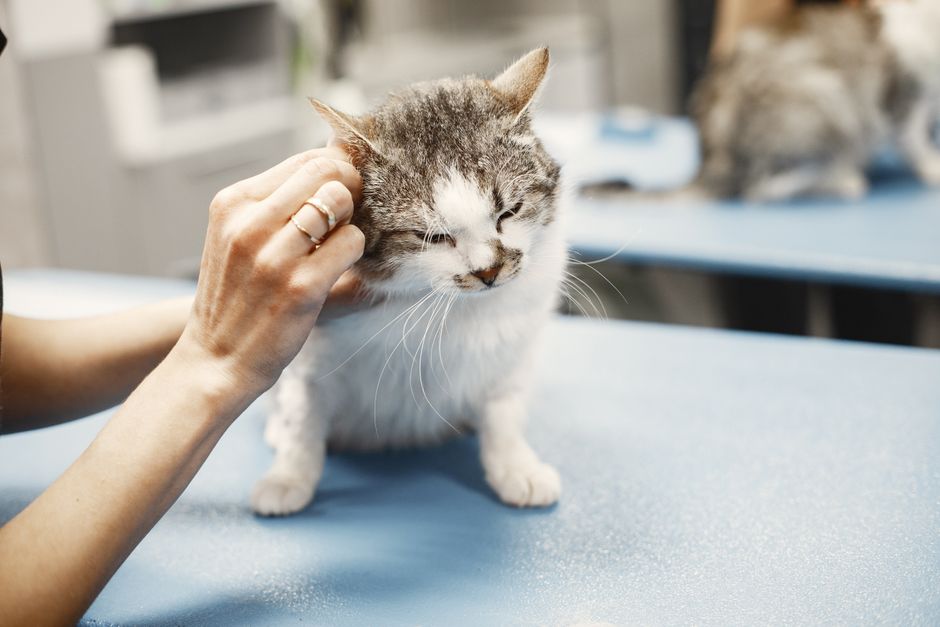
Our approach starts with a thorough wellness examination, during which our veterinarians review your pet’s history, perform a detailed skin and coat evaluation, and discuss your observations at home. Diagnostic options may include skin scrapings, cytology, and fungal cultures, as well as blood tests or allergy testing for more complex cases. Our advanced diagnostics , including in-house laboratory testing and specialized imaging , allow us to quickly identify secondary infections or underlying health conditions that may complicate allergies.
Treatment options are tailored to your pet’s specific needs. For many pets, managing allergies involves a combination of therapies. These may include prescription-strength topical medications to calm inflamed skin, oral or injectable anti-itch medications, and targeted antibiotics or antifungals to address secondary infections. For pets with flea allergies, a strict flea prevention protocol is essential, using safe and effective products recommended by our veterinarians. In some cases, we may discuss allergy immunotherapy, which involves gradually desensitizing your pet to specific allergens.
Our AAHA-accredited standards and Fear Free education for reducing fear, anxiety, and stress in pets during veterinary visits mean your pet’s comfort comes first, both during appointments and at home. We take extra steps to minimize stress and discomfort, using gentle handling techniques and working closely with you to ensure long-term relief for your companion.
Managing Allergies at Home: Prevention and Comfort Strategies
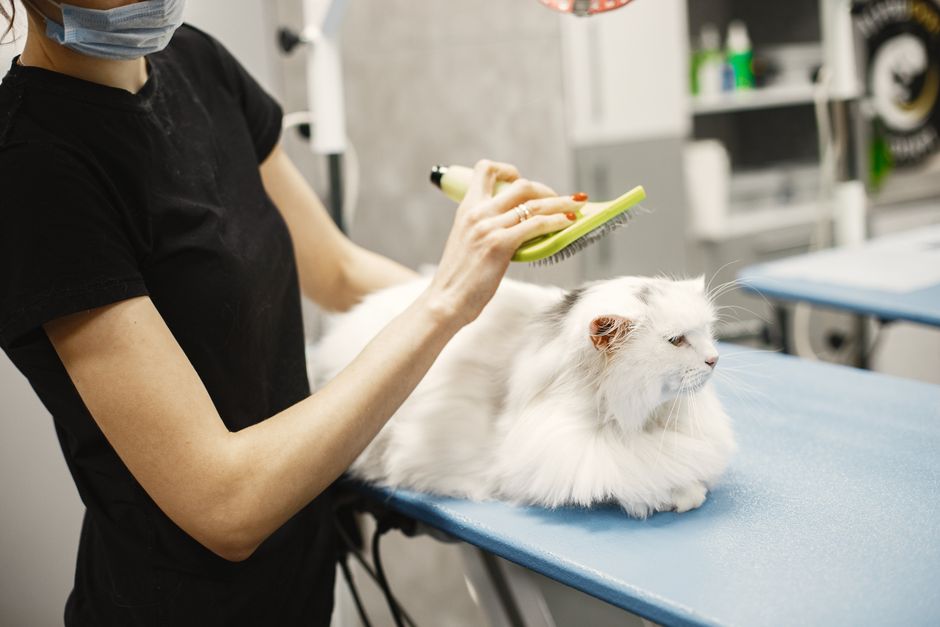
While professional veterinary care is essential for diagnosing and treating allergies, there are steps you can take at home to help minimize your pet’s symptoms and reduce exposure to common allergens. Regular bathing with a veterinarian-recommended hypoallergenic shampoo can help remove pollen and other irritants from your pet’s coat. Wiping your dog’s paws and belly with a damp cloth after walks is another effective way to reduce the amount of allergen your pet brings inside.
Vacuuming your home frequently, washing your pet’s bedding in hot water, and using high-efficiency air filters can help decrease indoor allergen levels. For cats and indoor-only dogs, keeping windows closed during high-pollen days and changing air conditioning filters regularly can provide additional relief. Consistent flea prevention is crucial throughout the summer, as even a single flea bite can trigger intense itching in sensitive pets.
It is also important to maintain routine veterinary care. Regular wellness examinations and vaccinations for pets to ensure preventive care allow our team to monitor your pet’s skin and overall health, adjust treatment plans as needed, and catch potential problems early. Enrolling in preventive care options, such as our Snout Wellness Plans offering affordable preventive care and exams for pets, can help you stay on top of your pet’s health year-round.
When Should You Seek Veterinary Care for Allergies?
While mild itchiness or occasional licking may not be cause for immediate concern, there are certain warning signs that mean it is time to schedule an appointment with our veterinary professionals. If your dog or cat is scratching or licking so much that they develop red, raw patches, hair loss, or bleeding, or if you notice a sudden increase in hot spots, it is important to have them evaluated promptly. Signs such as repeated ear infections, foul-smelling skin, lethargy, or loss of appetite may indicate a more serious allergy or secondary infection that needs medical attention.
Persistent allergies can significantly impact your pet’s quality of life and may lead to chronic skin problems if left untreated. Our board-certified veterinarian in Canine and Feline Clinical Practice, along with our entire team, is dedicated to providing advanced, compassionate care for even the most challenging allergy cases. If you are unsure whether your pet’s symptoms require a visit, our team is happy to guide you and answer your questions.
The Southern Crossing Animal Hospital Difference
At Southern Crossing Animal Hospital, we believe that every pet deserves exceptional, individualized care. Our AAHA accreditation reflects our commitment to the highest standards of veterinary medicine, while our focus on gentle, Fear Free handling ensures that every visit is as stress-free as possible for both you and your pet. Whether your companion needs advanced diagnostics, ongoing allergy management, or help with another skin concern, our team is here to support you every step of the way.
We proudly serve Memphis and the surrounding communities from our convenient location at 614 Minor St, Memphis, TN 38111. When searching for a "vet near me" who truly understands the needs of your dog or cat, you can trust our veterinary team to deliver the excellence, commitment, and compassion you expect.
If your pet is struggling with summer allergies or you are ready to schedule a wellness examination, contact Southern Crossing Animal Hospital today at (901) 459-3012 or visit our website at southerncrossingah.com. Your pet’s comfort and health are always our top priority.