Why Are Cats Vomiting Hairballs? Causes and Prevention Tips
Why Are Cats Vomiting Hairballs? Causes and Prevention Tips
For many Memphis cat owners, the sound of a cat retching up a hairball is all too familiar. While the occasional hairball may seem like a harmless aspect of feline life, frequent or severe episodes can be concerning and disruptive. If you find yourself cleaning up after cats vomiting hairballs more often than you’d like, you’re not alone—this is a common issue in our local area, especially as the weather warms and shedding increases. At Southern Crossing Animal Hospital, located at 614 Minor St, Memphis, TN 38111, our veterinary team is dedicated to helping Memphis and surrounding community cat owners understand why hairballs occur, when to be concerned, and how to keep your feline companion healthy and comfortable. In this blog, we’ll explore the causes of cats vomiting hairballs, signs that warrant a closer look, effective prevention strategies, and when it’s time to schedule a veterinary appointment for your cat.
Recognizing When Hairballs Are a Problem
It’s not unusual for cats to occasionally vomit a hairball, especially during heavy shedding seasons. However, it’s important for owners to know when this behavior crosses from normal feline grooming to a possible health concern. Routine grooming helps cats remove loose fur, but when hair accumulates in the stomach and cannot pass through the digestive system, it’s expelled as a hairball. Key signs that your cat’s hairball issue may require attention include frequent vomiting, retching without producing a hairball, loss of appetite, lethargy, or constipation. Additionally, if you notice your cat gagging or hacking without successfully bringing up a hairball, or if you see blood or unusual material in the vomit, these are warning signs that something more serious may be happening. Cats that are short-haired, as well as their long-haired counterparts, can experience hairball issues, but frequent problems should not be ignored.
Why Do Cats Vomit Hairballs?
Cats vomiting hairballs can be traced back to their grooming habits and unique anatomy. Cats are meticulous self-groomers, using their barbed tongues to clean their fur and inadvertently swallow loose hair in the process. Most ingested hair passes harmlessly through the digestive tract, but some accumulates in the stomach, forming a hairball. This is more prevalent in long-haired breeds such as Maine Coons or Persians, but any cat can be affected. Factors contributing to hairball formation include increased shedding, underlying skin conditions, excessive grooming due to allergies or stress, and even certain digestive issues that slow down gut movement. Environmental factors, such as Memphis’s seasonal temperature swings, can also influence shedding cycles, making hairball episodes more common during spring and fall. Occasionally, excessive hairball vomiting may indicate a deeper health issue, such as gastrointestinal disease, parasites, or food allergies. That’s why it’s important to monitor your cat’s habits and seek veterinary guidance if you notice changes.
How Southern Crossing Animal Hospital Diagnoses and Treats Hairball Problems
When cats vomiting hairballs become a frequent event, it’s time to seek veterinary care. At Southern Crossing Animal Hospital in Memphis, our board-certified veterinarians take a comprehensive approach to diagnosis, starting with a thorough physical examination and a review of your cat’s grooming and dietary habits. Diagnostics may include bloodwork, fecal analysis, and imaging such as X-rays or ultrasound. Our diagnostic laboratory services allow us to quickly identify underlying issues, while our advanced ultrasound services can help evaluate the digestive tract for blockages or inflammation if needed.
Treatment varies based on the underlying cause. If hairballs are simply a result of excessive grooming or seasonal shedding, recommendations may include dietary changes, introducing hairball control foods, or using gentle over-the-counter hairball remedies under veterinary guidance. If an underlying health issue is found, such as parasites or gastrointestinal disease, our veterinary team will tailor a treatment plan specific to your cat’s needs. We also emphasize gentle, Fear Free handling during all visits to reduce your cat’s stress, ensuring a positive and comfortable experience.
Preventing Hairballs at Home: Practical Tips for Cat Owners
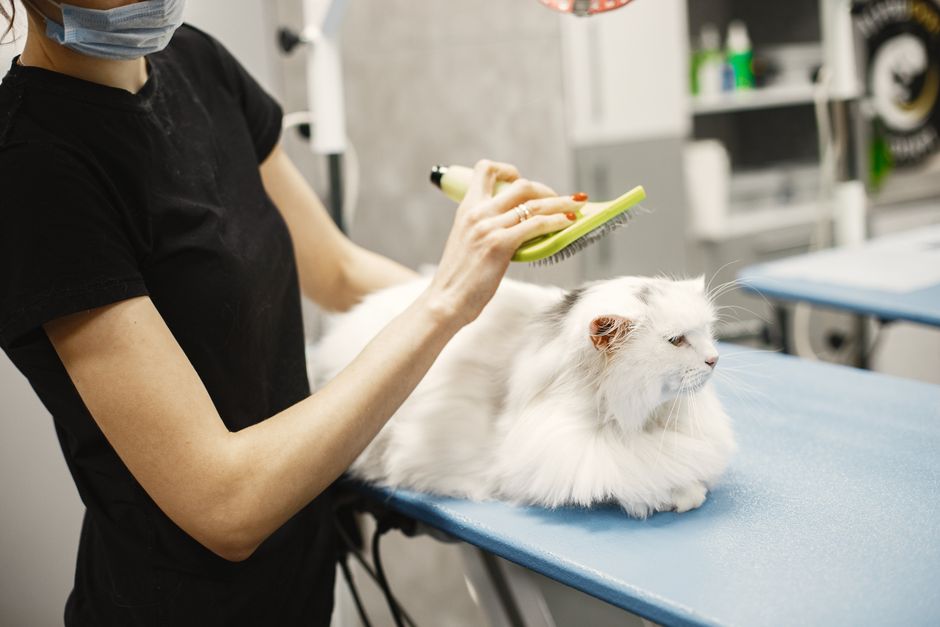
Prevention is always better than cure, especially when it comes to keeping your cat comfortable and reducing the need for cleaning up hairballs. Regular brushing is one of the most effective ways to minimize hair ingestion. For long-haired breeds, daily brushing is ideal, while short-haired cats benefit from grooming sessions several times a week. Using a quality brush or grooming tool helps remove loose fur before your cat has a chance to swallow it. Providing a balanced diet rich in fiber can also support healthy digestion and help hair move through the gastrointestinal tract more efficiently.
Encouraging your cat to stay hydrated is another key factor. Fresh water and, for some cats, wet food options can keep your cat’s digestive system functioning smoothly. Creating a low-stress environment, offering environmental enrichment, and addressing any skin or allergy issues promptly will also reduce excessive grooming behaviors. If you’re unsure about the best grooming or dietary routine for your cat, our veterinary team is always happy to offer tailored recommendations during your wellness examination.
When to Schedule a Veterinary Appointment for Hairballs
While most cats will experience a hairball now and then, there are times when vomiting hairballs signals the need for professional intervention. If your cat is vomiting more than once or twice a month, is struggling to bring up a hairball, or is showing signs of discomfort, lethargy, or appetite loss, don’t wait to seek help. Severe or persistent vomiting can indicate an intestinal blockage, which is a medical emergency and requires immediate attention. Other red flags include weight loss, diarrhea, or changes in behavior.
Southern Crossing Animal Hospital’s team of veterinarians is experienced in diagnosing and treating persistent hairball issues, as well as identifying more serious gastrointestinal conditions. If you need urgent support, our clinic is equipped to provide advanced diagnostics and emergency care for cats experiencing severe vomiting. You can learn more about our emergency veterinary care and how we support cat owners during unexpected situations.
Why Choose Southern Crossing Animal Hospital for Cat Hairball Concerns?
Our commitment to feline health goes beyond simply treating symptoms. As an AAHA-accredited hospital with a board-certified feline practitioner and a focus on Fear Free, gentle handling, we prioritize both your cat’s physical and emotional wellbeing. We understand the unique challenges that come with cats vomiting hairballs, especially in the Memphis area where seasonal changes, indoor living, and breed differences can all play a role. Whether you’re looking for advanced diagnostics, routine preventive care, or tailored advice on grooming and nutrition, our veterinary team is here to help every step of the way.
Take Action: Help Your Cat Live a Hairball-Free Life
No one wants to watch their cat struggle with frequent vomiting or discomfort. If you’re dealing with cats vomiting hairballs, or you want to discuss the best ways to prevent this issue, the team at Southern Crossing Animal Hospital is ready to help. Schedule a wellness examination at our Memphis location to get personalized guidance and peace of mind. You can call (901) 459-3012 to book an appointment or visit our feline-focused veterinary care page to learn more about how we support your cat’s unique needs.
When searching for a veterinarian near me, remember that choosing a team with advanced training and a compassionate approach can make all the difference for your cat’s health. Together, we can help your cat stay healthy, happy, and hairball-free all year round.
If you have concerns about your cat’s vomiting or notice any sudden changes, please contact our veterinary professionals promptly. This blog is for informational purposes only and does not replace individualized veterinary care.