Are Heartworms Contagious? Facts Every Pet Owner Should Know

Are Heartworms Contagious? Facts Every Pet Owner Should Know
If you’re worried about the risk of heartworm disease in your dog or cat, you’re not alone—especially here in Memphis, where the warm, humid climate makes heartworms a real year-round threat. One of the most common questions we hear at Southern Crossing Animal Hospital is, “Are heartworms contagious?” Understanding how heartworms spread, the risks to your pet, and why prevention is so important can give you peace of mind and help you make the best decisions for your furry family members.
In this comprehensive guide, our team of veterinarians in Memphis will explain whether heartworms are contagious, describe how pets become infected, discuss signs to watch for, and outline the most effective prevention strategies. We’ll also highlight how our AAHA-accredited, Fear Free practice supports you and your pets with advanced diagnostics and personalized care. By the end, you’ll know exactly how to protect your dog or cat and when to schedule a visit to our Memphis location for expert guidance.
Recognizing the Signs: Could Your Pet Have Heartworms?
Spotting the early warning signs of heartworm disease is crucial for pet owners, as the condition often progresses silently at first. In dogs, initial symptoms can be subtle or mistaken for other issues. Signs to watch for include a persistent cough, reluctance to exercise, unusual fatigue after mild activity, decreased appetite, and gradual weight loss. As heartworm disease advances, you might notice labored breathing, a swollen belly from fluid buildup, or sudden collapse in severe cases.
Cats, on the other hand, often exhibit different signs. Heartworm infection in cats may cause coughing, asthma-like attacks, vomiting, loss of appetite, or weight loss. Some cats may simply show intermittent gagging or sudden episodes of difficulty breathing. Because heartworm disease can be life-threatening and symptoms may mimic other conditions, it’s essential to bring your pet in for a thorough wellness examination if you notice any of these changes. Our comprehensive pet exam and vaccination services are designed to catch health problems early and keep your dog or cat protected.
Are Heartworms Contagious? Understanding How Heartworms Spread
When pet owners ask, “Are heartworms contagious?” they often wonder if their dog or cat could catch heartworms directly from another animal—or even from sharing the same water bowl, bedding, or living space. The reassuring answer is that heartworms are not directly contagious; your pet cannot contract heartworm disease from being near or interacting with an infected dog or cat.
Heartworms are transmitted exclusively through the bite of an infected mosquito. When a mosquito bites an animal that already has heartworm larvae in its bloodstream, it picks up the microscopic larvae. Over the next 10 to 14 days, those larvae develop inside the mosquito. When that same mosquito bites another dog or cat, the larvae are deposited into the new animal’s skin, beginning the heartworm life cycle. This means that heartworm disease is not spread by sneezing, coughing, licking, or close contact between pets.
Here in Memphis, our warm climate creates a long mosquito season—sometimes lasting much of the year. Even indoor pets are at risk because mosquitoes easily find their way inside homes. The prevalence of mosquitoes in the Mid-South makes year-round prevention especially important for both dogs and cats.
Why Are Dogs and Cats in Memphis at Greater Risk?
Living in Memphis and the surrounding communities means your pets face an increased risk of heartworm disease, largely due to our hot, humid weather and abundant mosquito populations. Southern states like Tennessee report some of the highest rates of heartworm infection in the country. Heartworms thrive in these conditions, and the risk does not disappear even in cooler months because mosquitoes can survive indoors.
Dogs are considered the natural host for heartworms, which means the larvae can mature into adult worms and reproduce inside their bodies. An untreated dog may harbor dozens, or even hundreds, of adult heartworms in their heart, lungs, and blood vessels. While cats are less susceptible, they are not immune—heartworm disease in cats can be fatal, and even a single worm can cause severe illness or sudden death.
Certain lifestyle factors can further increase your pet’s risk. Dogs and cats that spend time outside, visit parks, or live near standing water are more likely to be exposed to mosquitoes. However, even pets that stay indoors most of the time are not completely safe, as mosquitoes only need a brief window to enter the home. For this reason, our veterinary team recommends year-round heartworm prevention for every dog and cat in Memphis.
Diagnosing Heartworm Disease: How We Detect Heartworms in Pets
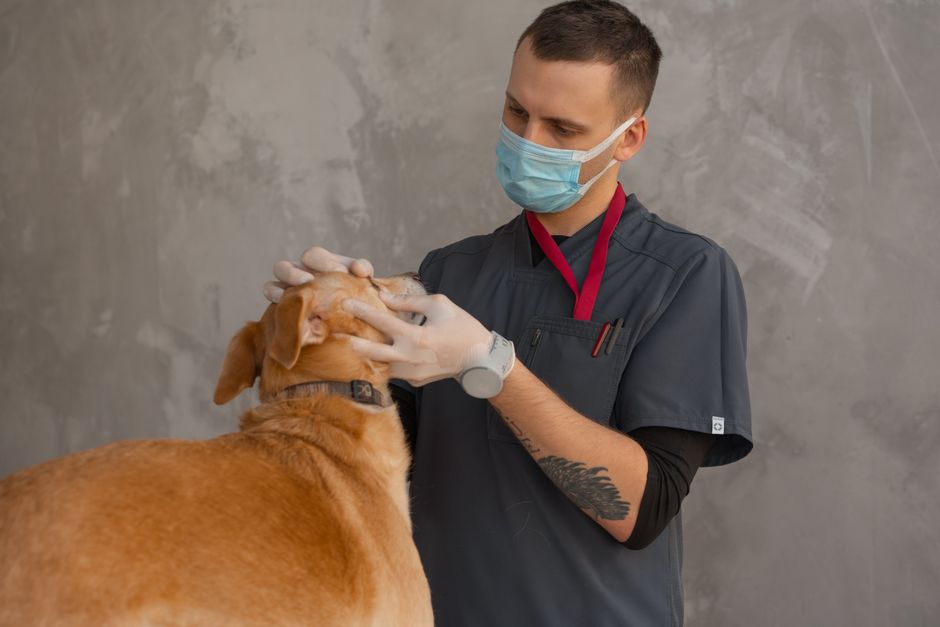
Early detection of heartworm disease is essential for a better prognosis and safer treatment outcomes. At Southern Crossing Animal Hospital, we use a combination of blood tests and advanced imaging to diagnose heartworm infection in both dogs and cats. For dogs, a simple blood test detects proteins released by adult female heartworms. This test can usually identify infection as early as six months after exposure.
If a positive result is found, additional diagnostics such as chest X-rays, echocardiograms, or ultrasounds may be recommended to assess the severity of the disease and determine the best treatment plan. Our clinic’s advanced diagnostic X-ray, ultrasound, and echocardiogram services help us visualize heart and lung changes, giving us a complete picture of your pet’s health.
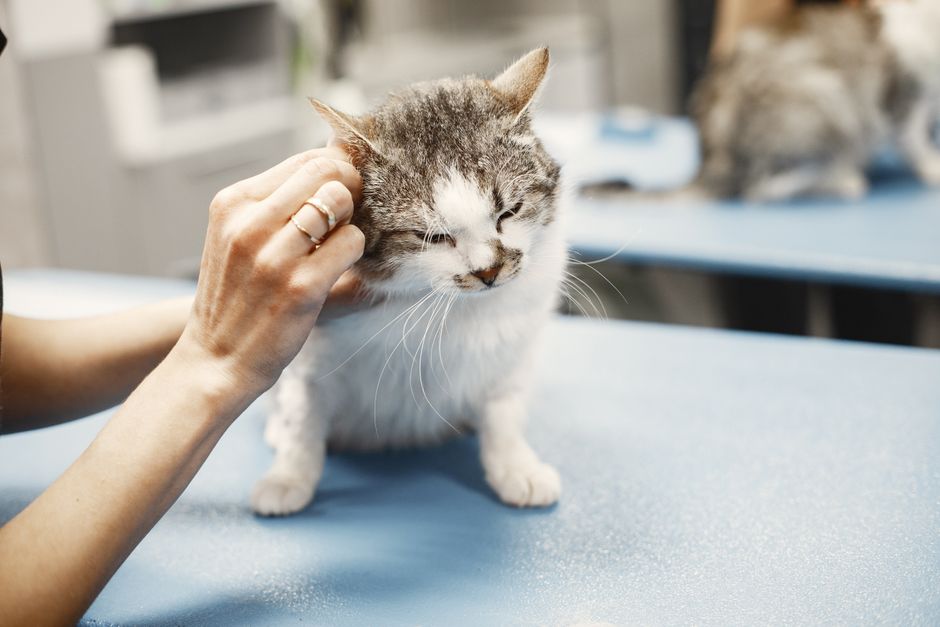
Diagnosing heartworm in cats is more challenging, as they often have lower worm burdens and may not always test positive in the same way as dogs. Sometimes, a combination of blood tests, X-rays, and ultrasounds is needed to confirm the presence of heartworms or rule out other illnesses.
Treatment and Management: What Happens if Your Pet Has Heartworms?
If your dog is diagnosed with heartworm disease, timely and professional veterinary care is critical. Treatment involves a series of injections to kill adult heartworms, along with supportive care to manage inflammation and prevent complications. The process requires strict exercise restriction to reduce the risk of complications as the worms die and are cleared from the body. Your veterinarian will create a customized treatment plan based on your dog’s health, the stage of the disease, and any underlying conditions.
Heartworm treatment in dogs can be lengthy, sometimes taking several months, and carries some risk of serious side effects. It is much safer, less stressful, and more affordable to prevent heartworm disease than to treat it.
Unfortunately, there is no approved treatment to eliminate adult heartworms in cats. The focus for cats is on supportive care, managing symptoms, and preventing further infections. In some cases, medications may help control symptoms like coughing or breathing difficulties. Preventing heartworm disease in cats is especially important since treatment options are so limited.
Throughout treatment and recovery, our veterinary professionals use Fear Free handling techniques and advanced pain management strategies to keep your dog or cat as comfortable as possible. We work closely with you at every step, making sure you understand your pet’s needs and what to expect during recovery.
Heartworm Prevention: The Key to Keeping Your Pet Safe
The best way to keep your dog or cat heartworm-free is through year-round prevention, especially in Memphis’s mosquito-friendly environment. Preventive medications are available in several forms—monthly chewable tablets, topical treatments, or injectable products for dogs. These medications are highly effective when given as directed and can be tailored to your pet’s lifestyle and health needs.
Starting heartworm prevention early is vital for puppies and kittens. Our puppy and kitten care services include guidance on the best time to begin preventives, along with any necessary testing to confirm your pet is free from infection before starting medication.
Regular wellness visits allow our veterinarians to check your dog or cat for early signs of heartworm and ensure that their prevention program is working. Annual blood testing is recommended for all dogs, even those who are on monthly preventives, to catch any breakthrough infections as soon as possible.
For cats, heartworm prevention is just as important—even if they spend most of their time indoors. Talk to our veterinary team about the safest and most effective options for your feline companion.
When to Schedule a Veterinary Visit for Heartworm Concerns
If your dog or cat is showing any signs of illness—such as coughing, difficulty breathing, unexplained lethargy, or sudden changes in appetite—it’s important to schedule an appointment with your veterinarian promptly. Heartworm disease can progress rapidly and may be fatal if left untreated. Early intervention gives your pet the best chance of recovery and reduces the risk of lasting damage to the heart and lungs.
Additionally, if your pet has missed a dose of heartworm preventive or is overdue for their annual heartworm test, contact our clinic right away. Our team can help you get back on track with a prevention program and answer any questions about your pet’s risk level. Even if your pet appears healthy, regular checkups are essential for catching issues before they become serious.
If you’re searching for a "vet near me" in Memphis who truly prioritizes your pet’s comfort and well-being, Southern Crossing Animal Hospital offers a concierge-level experience with a focus on gentle, Fear Free care at every visit.
Takeaways: Protecting Your Pet from Heartworms in Memphis
Heartworm disease is a serious, potentially life-threatening condition for both dogs and cats in Memphis and surrounding communities. The good news is that heartworms are not contagious between pets—they can only be transmitted through mosquito bites. Year-round prevention, regular testing, and early detection are your best defenses for keeping your pet safe.
Our veterinary team at Southern Crossing Animal Hospital is dedicated to providing the highest standard of care, from advanced diagnostics to individualized prevention plans. Whether you have questions about "are heartworms contagious," need help choosing the right prevention, or want to schedule your pet’s next checkup, we’re here for you.
To learn more about heartworm prevention, schedule a comprehensive wellness examination, or speak with our knowledgeable veterinarians, call us at (901) 459-3012 or visit our Memphis location. Protect your dog or cat and experience the compassionate, expert veterinary care your family deserves.
This blog is intended for informational purposes only and does not replace professional veterinary advice. Always consult your veterinarian for specific concerns about your pet’s health.