What to Expect From a Cat Ultrasound in Memphis

What to Expect From a Cat Ultrasound in Memphis
If you are worried about your cat’s health or your veterinarian at Southern Crossing Animal Hospital has recommended advanced diagnostic imaging, you may be wondering what a cat ultrasound involves and whether it is truly necessary for your feline companion. In Memphis and the surrounding communities, cat owners trust our team for precise, gentle care—especially when it comes to sensitive procedures like ultrasound that can play a crucial role in diagnosing internal health concerns. In this blog, we will walk you through everything you need to know about cat ultrasound, from when it is recommended and what the procedure is like, to how it can benefit your cat’s health and give you peace of mind. At Southern Crossing Animal Hospital, our AAHA-accredited team uses advanced ultrasound technology and Fear Free techniques to ensure the safest, least stressful experience for both you and your cat.
If you are looking for more details about our approach to cat care, you can find additional information about cat-focused veterinary care and our diagnostic imaging services including ultrasound on our website.
When Might Your Cat Need an Ultrasound?
It is natural to feel concerned when your veterinarian mentions the need for a cat ultrasound. Many cat owners wonder if their cat is truly sick enough to require this imaging, or if it is a routine part of care. The truth is, ultrasound is a non-invasive, pain-free tool that helps veterinarians look inside your cat’s body in real time, often when symptoms are subtle or physical exams leave questions unanswered.
The most common signs that may lead your veterinarian to recommend a cat ultrasound include unexplained weight loss, vomiting or diarrhea that does not resolve, changes in appetite, increased drinking or urination, abdominal swelling, or the presence of a mass or lump. Sometimes, blood work or X-rays reveal abnormalities—such as changes in organ size, fluid accumulation, or irregularities in the liver, kidneys, or bladder—that require further investigation. Even if your cat seems outwardly healthy, an ultrasound may be needed for monitoring chronic conditions or screening for hereditary diseases, especially in older cats or those with a history of illness.
At Southern Crossing Animal Hospital, we understand how stressful it can be when your cat is not feeling well. Our veterinary team takes the time to explain each recommendation, ensuring you are fully informed before moving forward with any diagnostic procedure.
Understanding Cat Ultrasound: How the Technology Works
Cat ultrasound uses high-frequency sound waves to create real-time images of your cat’s internal organs. Unlike X-rays, which provide a static snapshot of bones and dense tissues, ultrasound is ideal for viewing soft tissues such as the liver, kidneys, spleen, bladder, intestines, and heart. The procedure is completely safe, uses no radiation, and does not cause discomfort for your cat.
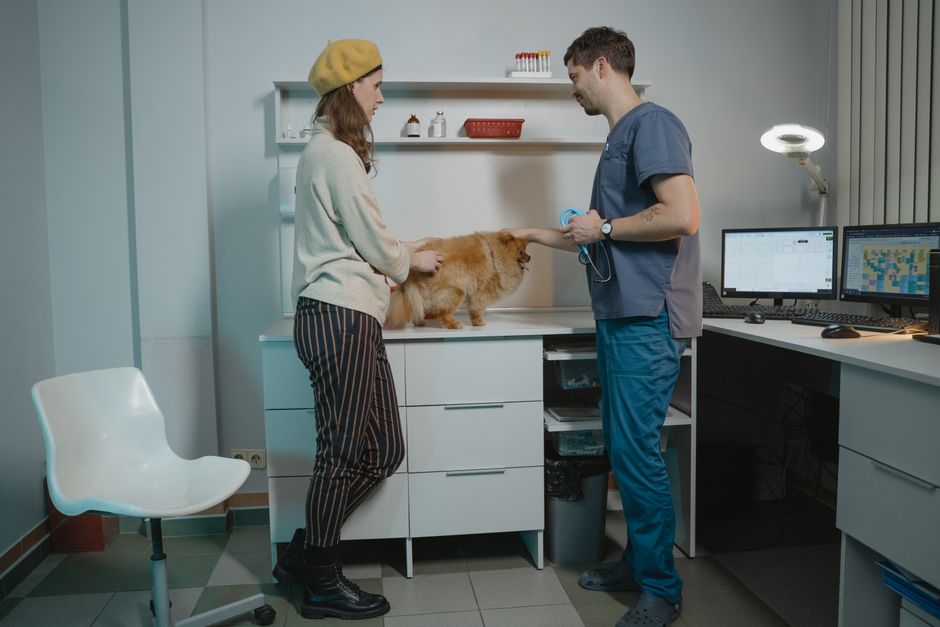
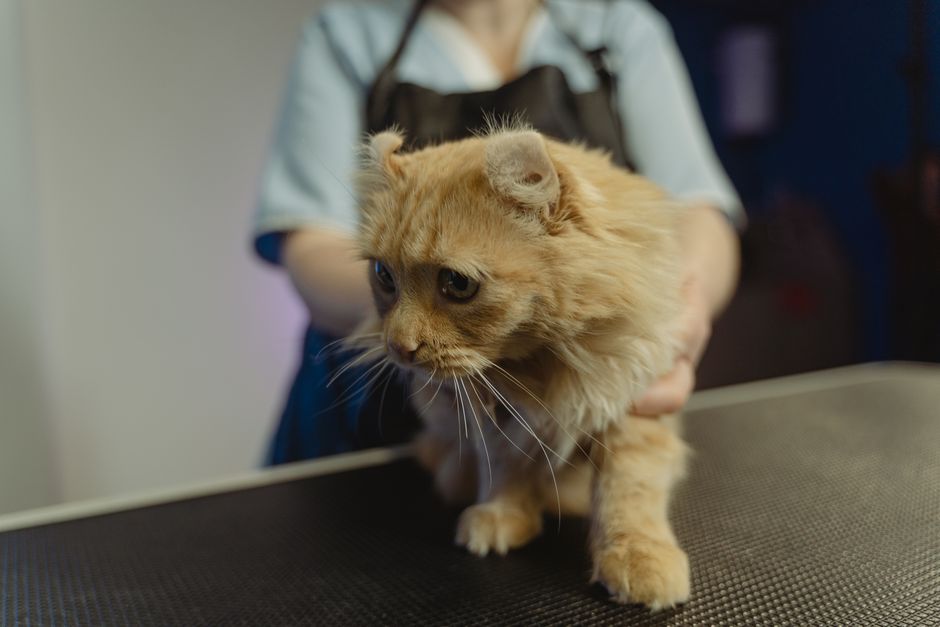
During an ultrasound examination, your cat will be gently positioned on a padded table and a small area of fur may be shaved to allow better contact between the skin and the ultrasound probe. A cool, water-based gel is applied to the area, and the probe is moved over your cat’s abdomen or chest to capture images. Most cats tolerate the procedure very well, especially at a practice like Southern Crossing Animal Hospital, where our team is trained in gentle handling and Fear Free techniques. Sedation is rarely needed, but in cases where a cat is especially anxious or uncomfortable, mild sedation may be offered to ensure a smooth and stress-free experience.
Our hospital is equipped with advanced ultrasound and echocardiogram technology, allowing us to perform detailed abdominal and cardiac imaging right here in Memphis. This means you do not have to travel far or see an outside specialist for your cat’s diagnostic needs.
To learn more about the types of ultrasound and advanced diagnostics we offer, visit our page on abdominal ultrasound and echocardiograms for pets.
Common Reasons for Cat Ultrasound in Memphis
There are several reasons your veterinarian might recommend a cat ultrasound. Most commonly, ultrasounds help diagnose conditions such as kidney disease, liver disorders, pancreatitis, intestinal problems, urinary tract disease, and heart conditions. They can also be used to monitor pregnancies, guide biopsies or needle aspirations, and evaluate for cancer or internal bleeding.
For example, if your cat has been losing weight despite eating normally, an ultrasound can help identify whether there is an issue with the intestines, pancreas, or another internal organ. If your veterinarian feels a mass or abnormality during a physical exam, ultrasound helps determine its nature and location, which is critical for planning any treatment or surgery. Cats with a history of bladder problems or recurring urinary tract infections may benefit from ultrasound to check for bladder stones, tumors, or abnormalities in the urinary system.
Our board-certified veterinarian and experienced team use the latest technology to ensure that every ultrasound provides the highest level of detail, helping us make informed decisions about your cat’s health.
What Happens During and After a Cat Ultrasound Appointment?
When you arrive at Southern Crossing Animal Hospital for your cat’s ultrasound, you can expect a caring, compassionate approach from start to finish. Your cat will be gently handled and kept as calm as possible throughout the procedure. The actual ultrasound exam usually takes between 20 and 45 minutes, depending on the area being examined and your cat’s comfort level.
After the images are captured, our veterinarians will review the results and discuss findings with you. In some cases, the ultrasound may provide immediate answers, while other times additional testing or monitoring may be recommended. If a biopsy or sample is needed, our team can often perform this safely and comfortably with ultrasound guidance. Most cats show no after-effects from the procedure and can return home the same day.
Ultrasound is not only a diagnostic tool but also a way to monitor ongoing health issues and track treatment progress. If your cat is being treated for a chronic condition, periodic ultrasounds may be part of their regular care plan.
At-Home Care and What to Do Before Your Cat’s Ultrasound
Preparing your cat for an ultrasound is usually straightforward. Our veterinary team will give you specific instructions based on the area being examined. In general, cats having abdominal ultrasounds may need to fast for several hours prior to the appointment to ensure the clearest images. For heart or chest ultrasounds, fasting is typically not required.
At home, do your best to keep your cat calm and comfortable before the visit. If your cat is anxious about car rides or veterinary visits, let us know in advance; we can offer tips or prescribe gentle anti-anxiety medications if needed. Bring any medical records or test results with you, especially if you have visited another clinic recently.
After the procedure, most cats can resume their normal routines immediately. Monitor your cat for any signs of stress or changes in behavior, and let us know if you have concerns. Our goal is to make the entire process as stress-free as possible for both you and your cat.
When Should You Seek Veterinary Care for Your Cat?
If your cat is showing signs such as persistent vomiting, diarrhea, weight loss, changes in appetite, increased drinking or urination, abdominal pain, or if you have noticed a lump or swelling, it is important to schedule an appointment promptly. Cats are experts at hiding illness, so even mild symptoms can be a sign of something more serious. Early diagnosis with tools like cat ultrasound can make a significant difference in your cat’s prognosis and quality of life.
If your cat has been diagnosed with a chronic illness or your veterinarian has recommended an ultrasound for monitoring purposes, keeping up with regular diagnostics is the best way to ensure ongoing health. Never hesitate to reach out if you are unsure whether your cat needs to be seen—our veterinary professionals are here to answer your questions and guide you every step of the way.
Why Choose Southern Crossing Animal Hospital for Cat Ultrasound in Memphis?
At Southern Crossing Animal Hospital, we understand that your cat is a cherished member of your family. Our commitment to Excellence, Commitment, and Compassion is evident in everything we do, from advanced diagnostics to gentle handling and ongoing wellness care. Our AAHA accreditation and Fear Free philosophy set us apart as leaders in feline veterinary medicine in Memphis.
Whether your cat needs a routine wellness check, advanced imaging, or ongoing management of a chronic condition, our board-certified veterinarian and skilled team are here to help. We invest in the latest technology and continuing education to provide the highest standard of care for every cat, every visit.
For more information about our specialized approach to feline medicine, visit our page dedicated to cat-focused veterinary care.
Ready to Schedule a Cat Ultrasound? Our Memphis Veterinary Team Is Here for You
If you think your cat may need an ultrasound or your veterinarian has recommended advanced diagnostics, do not wait to take the next step. Early detection and precise diagnosis can make all the difference in your cat’s health and comfort. Our friendly, knowledgeable team at Southern Crossing Animal Hospital is ready to answer your questions and guide you through every stage of your cat’s care.
To schedule a cat ultrasound or consult with one of our veterinarians, call us at (901) 459-3012 or visit us at 614 Minor St, Memphis, TN 38111. For more details on our ultrasound and diagnostic services, explore our diagnostic imaging page.
When you search for a "vet near me" who truly understands and prioritizes your cat’s unique needs, choose the trusted team at Southern Crossing Animal Hospital. Your cat’s health, comfort, and well-being are always our top priorities.