Are Heartworms Contagious? What Memphis Pet Owners Should Know

Are Heartworms Contagious? What Memphis Pet Owners Should Know
When you share your life with a dog or cat in Memphis, you want to do everything possible to protect them from preventable diseases. As the heat and humidity rise each summer, heartworm disease becomes a top concern, leading many pet owners to wonder, are heartworms contagious? At Southern Crossing Animal Hospital, located at 614 Minor St, Memphis, TN 38111, we know there is a lot of confusion about how heartworms are transmitted and what truly puts your pet at risk. This blog will explain how heartworm disease spreads, why it is such a threat in Memphis’s warm, rainy climate, and what steps you can take to keep your cherished pets safe. We will also discuss the signs to watch for, how our veterinary team detects and treats heartworm disease, and why prevention is always the best medicine. By the end, you will feel empowered with accurate answers to the question, “are heartworms contagious?” and know where to turn for expert veterinary guidance in Memphis.
Recognizing Heartworm Disease: How to Spot the Signs in Dogs and Cats
Heartworm disease is a serious and potentially life-threatening condition, but the early signs can be subtle or even absent until the disease is advanced. For dog owners, symptoms of heartworm disease may include a soft, persistent cough, fatigue after moderate activity, reluctance to exercise, decreased appetite, and weight loss. As the disease progresses, you might notice your dog developing a swollen abdomen due to fluid buildup, difficulty breathing, or signs of heart failure. Cats can also be affected by heartworms, although their symptoms tend to be different and often more challenging to recognize. In cats, symptoms include intermittent vomiting unrelated to eating, coughing, difficulty breathing, lethargy, and sudden collapse. Sometimes, the only sign may be sudden death, which is why prevention and early detection are so important.
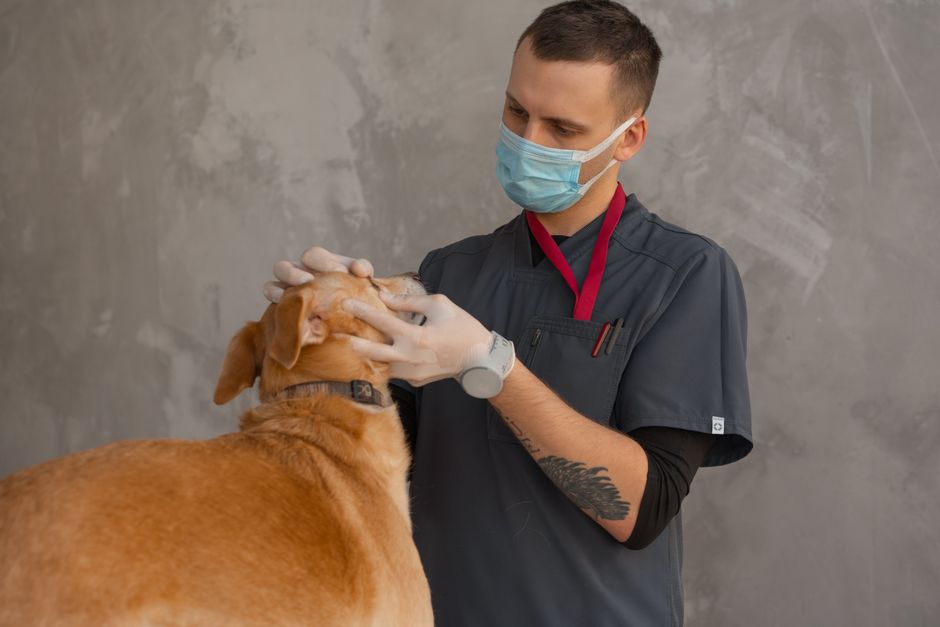
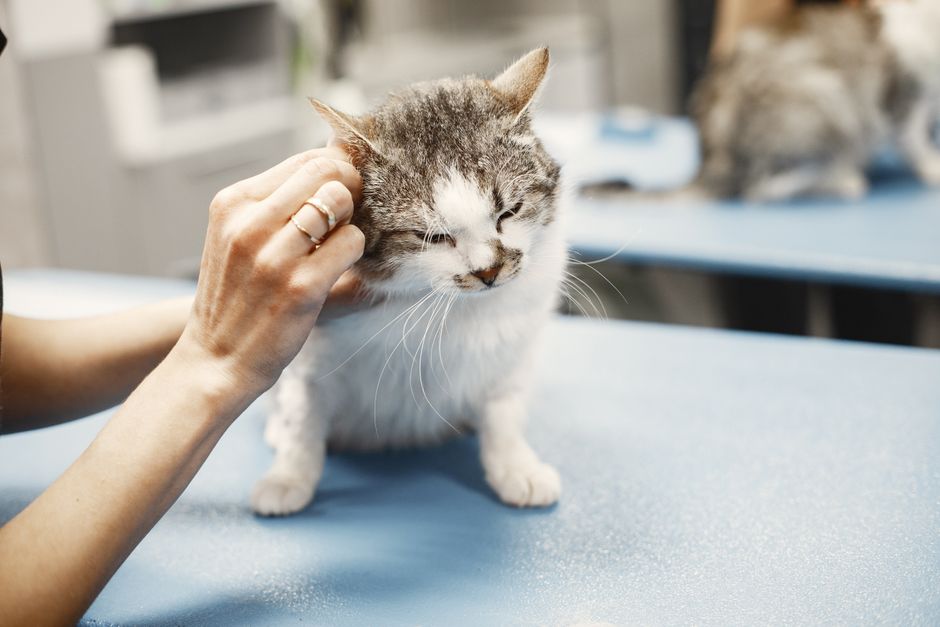
If your pet shows any of these symptoms, or if you are concerned about heartworm exposure due to missed prevention, it is important to schedule a wellness examination with our veterinary team. We use gentle, Fear Free techniques to make every visit as stress-free as possible for your pet.
Are Heartworms Contagious? Understanding How Heartworm Disease Spreads
Many pet owners ask, are heartworms contagious between pets? The answer is no; heartworm disease does not spread directly from one dog or cat to another. Unlike respiratory viruses or some intestinal parasites, your pet cannot catch heartworms by being near an infected animal, sharing bedding, or engaging in normal play. Instead, heartworm disease is transmitted exclusively through the bite of an infected mosquito. When a mosquito bites a dog or other susceptible animal that already has heartworms, it picks up microscopic baby heartworms called microfilariae. Over the next 10 to 14 days, these larvae develop inside the mosquito. If the mosquito then bites another dog or cat, it can deposit the larvae into the new host’s bloodstream, starting the heartworm life cycle all over again.
This means your pet’s risk comes from the environment, not from other animals directly. However, if more pets in a community have heartworm disease, there are more microfilariae available for mosquitoes to pick up, which increases the overall heartworm risk for all pets in the area. Memphis’s hot, humid summers and frequent rain create the perfect conditions for mosquitoes to thrive, making heartworm prevention a year-round necessity.
Why Is Heartworm Disease Such a Concern in Memphis?
Memphis and the surrounding communities are part of the “heartworm belt,” an area of the United States with especially high rates of heartworm disease due to our warm climate, high humidity, and abundant rainfall. Mosquitoes are active nearly year-round here, and even indoor pets are at risk if a single infected mosquito finds its way inside. The American Heartworm Society consistently reports higher numbers of heartworm-positive cases in the South compared to other regions, and veterinary teams in Memphis see these cases all too often, especially in pets who are not on year-round prevention.
Because heartworm disease is so prevalent in our area, Southern Crossing Animal Hospital recommends annual heartworm testing and year-round prevention for all dogs and cats. Our comprehensive wellness and specialty care programs are designed to provide your pet with tailored protection based on their unique lifestyle and risk factors.
Heartworm Disease in Dogs and Cats: What Happens After Infection?
Once a dog is bitten by an infected mosquito, it takes about six months for the heartworm larvae to mature into adult worms. These adults can grow up to 12 inches long and live in the heart, lungs, and associated blood vessels, causing severe lung disease, heart failure, and damage to other organs. Dogs are considered the natural host for heartworms, so the worms can live for several years, reproducing and causing more damage over time.
Cats, on the other hand, are an atypical host. While heartworms do not usually survive to adulthood in cats, even a single immature worm can cause significant respiratory problems or sudden death. Because cats have a lower worm burden and often show less obvious signs, heartworm disease in cats is frequently misdiagnosed as asthma or bronchitis.
Professional Treatment: How Southern Crossing Animal Hospital Manages Heartworm Disease
If your dog is diagnosed with heartworm disease, our veterinary professionals will develop a treatment plan tailored to their health status and the severity of the infection. Treatment approaches involve a series of injections to kill the adult worms, supportive medications to reduce inflammation and prevent complications, and strict exercise restriction to minimize the risk of heart or lung damage during recovery. The process can be lengthy, costly, and not without risk, but it remains the best option for dogs with confirmed heartworm disease.
Cats with heartworm disease cannot be treated with the same medications used for dogs; instead, treatment focuses on managing symptoms, reducing inflammation, and providing supportive care. Preventing further exposure is essential, as there is no safe cure for heartworms in cats. Our team of veterinarians is experienced in developing customized care plans for both dogs and cats, and we always prioritize your pet’s comfort and wellbeing.
Prevention: The Most Effective Way to Protect Your Pet from Heartworms
The most important takeaway for Memphis pet owners is that heartworm disease is much easier—and safer—to prevent than to treat. Preventive medications, given monthly as a chewable tablet, topical treatment, or in some cases an injection, are highly effective at stopping heartworm larvae before they can mature and cause damage. These preventives are available only through your veterinarian and should be given year-round, even during the cooler months.
In addition to medication, steps to reduce mosquito exposure can further protect your pet. Keeping your yard free of standing water, using pet-safe mosquito repellents, and ensuring your screens are intact all help minimize risk, but no strategy replaces the need for consistent prevention. Our affordable snout wellness plans make it easier to keep your pet protected with regular checkups, preventive care, and reminders for heartworm testing and medication refills.
When to Seek Veterinary Care for Heartworm Concerns
If you have missed a dose of your pet’s heartworm prevention, if your pet is showing symptoms that worry you, or if you are unsure whether your prevention plan is adequate, it is always best to consult with our veterinary team. Early detection can mean the difference between a manageable illness and a life-threatening emergency. Schedule a visit at Southern Crossing Animal Hospital as soon as possible if you notice coughing, fatigue, breathing difficulties, or unexplained weight loss in your dog or cat. Our AAHA-accredited, Fear Free certified team uses the most advanced diagnostics and gentle handling techniques to ensure accurate, compassionate care.
The Truth About Heartworm Transmission: What Memphis Pet Owners Need to Remember
In summary, when asking, “are heartworms contagious?” the answer is clear: your dog or cat cannot catch heartworms directly from another pet. The real risk comes from mosquito bites, which are especially common in Memphis’s warm, rainy climate. Prevention is your best defense; consistent monthly medication and annual heartworm testing are essential to keeping your pet safe and healthy. If you have questions about heartworm disease, need help selecting the right preventive, or are looking for a “vet near me” who offers state-of-the-art care with a compassionate touch, Southern Crossing Animal Hospital is here for you.
Our veterinary professionals are dedicated to supporting Memphis pet owners with education, prevention, diagnostics, and treatment. To schedule an appointment for heartworm testing, discuss prevention options, or address any concerns about your pet’s health, call (901) 459-3012 or visit us at 614 Minor St, Memphis, TN 38111. For more information about our team’s approach and services, explore our comprehensive veterinary care for dogs and specialized veterinary care and services for cats. Protect your pet this summer and every season—because every Memphis pet deserves a healthy, heartworm-free life.