Spring Pet Allergies in Memphis: Symptoms and Relief Tips

Spring Pet Allergies in Memphis: Symptoms and Relief Tips
As spring arrives in Memphis, many pet owners look forward to longer walks, playtime in the yard, and blossoming gardens. However, with warmer weather and blooming plants comes another seasonal challenge for our furry family members: spring allergies. If your dog or cat has started scratching more than usual, sneezing, or showing signs of skin irritation, you are not alone. At Southern Crossing Animal Hospital, conveniently located at 614 Minor St, Memphis, TN 38111, our team of veterinarians understands how frustrating and uncomfortable spring allergies can be for pets and their families. We are dedicated to providing advanced diagnostics, gentle care, and personalized treatment plans to help your pets find relief during Memphis’s allergy season.
In this guide, we will discuss how spring allergies affect pets in Memphis, the most common symptoms to watch for, what causes these issues, and the steps you can take to keep your pet comfortable. You will also learn how our AAHA-accredited hospital’s advanced diagnostics and Fear Free techniques make a difference in allergy care for dogs and cats. If you are searching for answers about your pet’s springtime itching or sneezing, this blog will help you recognize the signs, understand the causes, and know when it is time to schedule an appointment with our veterinary team.
Recognizing Spring Allergy Symptoms in Memphis Pets
Allergies in pets can be challenging to spot at first, especially since some signs may look similar to normal spring shedding or minor irritations. However, when allergies strike, the symptoms often go beyond the occasional itch or sneeze. In Memphis, common spring allergy symptoms in dogs and cats include persistent scratching or licking, red or inflamed skin, hair loss or patches of missing fur, watery eyes, frequent ear infections or head shaking, sneezing, and even gastrointestinal signs like vomiting or loose stool in some cases.
For example, you might notice your dog constantly chewing at their paws after a walk through the grass, or your cat overgrooming areas around the belly or legs. Other signs to watch for are scabs or bumps on the skin, a strong odor coming from the ears, or your pet being less interested in playtime due to discomfort. Over time, repeated scratching and licking can lead to sores or secondary infections, making prompt recognition and intervention especially important.
If you see any of these symptoms persisting for more than a few days, or if your pet seems unusually uncomfortable this spring, it is a good idea to reach out to our veterinary team for a thorough evaluation. Remember, not every itch is caused by allergies; sometimes, skin parasites or infections can mimic allergy symptoms, so a professional diagnosis is essential.
What Causes Spring Allergies in Dogs and Cats?
Spring in Memphis brings a wave of pollens, grasses, and molds that can trigger allergic reactions in sensitive pets. These allergies, known as atopic dermatitis or environmental allergies, occur when a pet’s immune system becomes hypersensitive to substances that are generally harmless, such as pollen from trees and flowers, grass, weeds, mold spores, and even dust mites.
Pets with allergies may react through their skin, respiratory system, or both. For dogs, walking on freshly mown grass or rolling in the yard can expose them to allergens that settle on the fur and paws. Cats, while often kept indoors, can still be affected by pollen and dust that enter through open windows or are brought inside on shoes and clothing. Additionally, Memphis’s humid climate can contribute to increased mold growth, which is another common trigger.
Certain breeds are more prone to allergies, but any dog or cat can develop them at any age. Genetics, previous exposure, and even the overall health of the skin barrier play roles in determining how severely a pet is affected. Unlike food allergies, which are usually present year-round, environmental allergies often worsen in the spring and fall when specific pollens and molds are at their peak.
How Southern Crossing Animal Hospital Diagnoses and Treats Pet Allergies
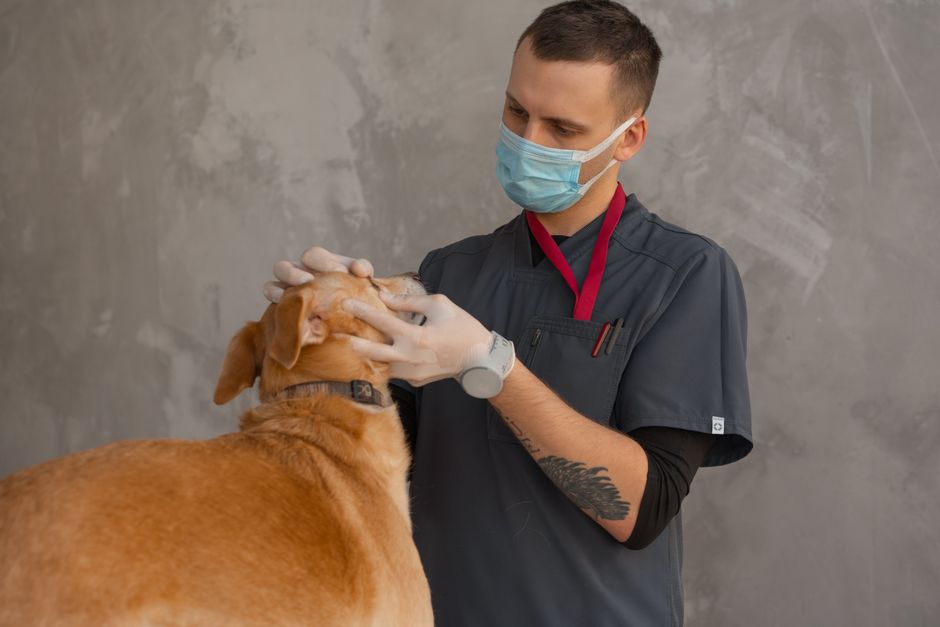
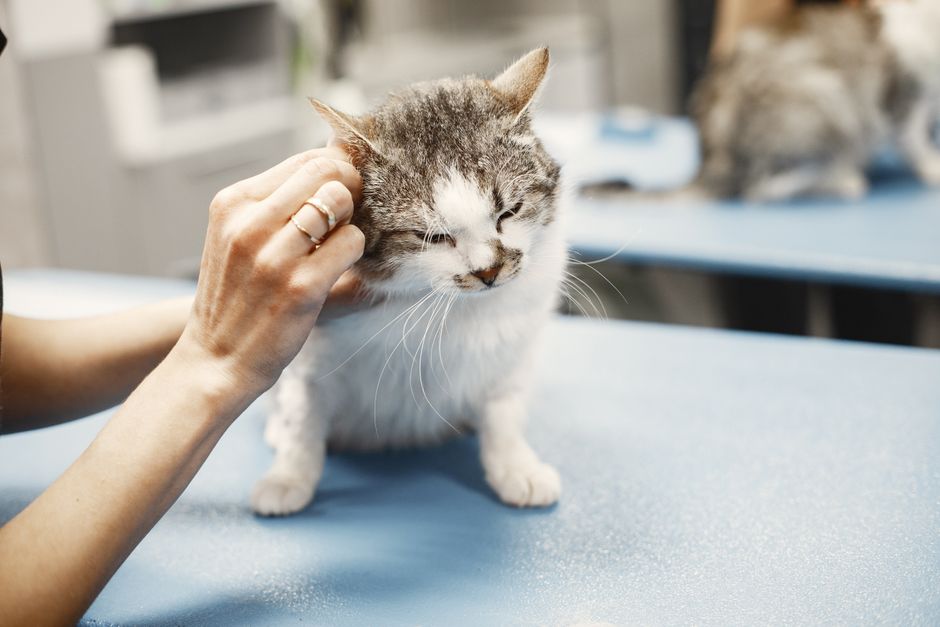
When you bring your pet to Southern Crossing Animal Hospital for suspected allergies, our approach begins with a comprehensive wellness examination. Our veterinarians are committed to a Fear Free experience, which means we use gentle handling and stress-reduction techniques to keep your pet calm and comfortable throughout the visit. We take the time to discuss your pet’s history, environment, and any recent changes that could be contributing to symptoms.
Diagnosis often involves a combination of physical examination, a detailed discussion of your pet’s environment, and advanced testing when needed. For persistent or severe cases, our diagnostics laboratory allows us to perform skin scrapings, cytology, and blood work to rule out other causes such as bacterial or fungal infections, parasites, or underlying health concerns. For pets with complex or recurring issues, we may also recommend allergy testing or advanced imaging through our diagnostic X-ray, ultrasound, and echocardiogram services to look for other contributing factors.
Treatment for spring allergies in pets is tailored to each individual. Approaches often include prescription medications such as antihistamines, anti-inflammatory drugs, or immunotherapy; topical therapies like medicated shampoos or sprays; and recommendations for environmental modifications at home. In some cases, our dermatology services may be beneficial for diagnosing and managing ongoing skin allergies or complicated dermatological conditions. For pets experiencing significant discomfort, our pain management options can help restore comfort and quality of life while we address the underlying allergy.
Ongoing monitoring and follow-up are key, as allergies are often a lifelong challenge. Our team will work closely with you to adjust your pet’s treatment plan as needed, ensuring the best possible outcome with the least amount of stress.
Home Care and Prevention: Helping Your Pet Stay Comfortable
While professional veterinary care is important for managing spring allergies, there are many steps you can take at home to help minimize your pet’s exposure to allergens and keep symptoms under control. Bathing your dog regularly with a gentle, veterinarian-recommended shampoo can help remove pollen and dust from the skin and coat. Wiping your pet’s paws and belly after outdoor playtime reduces the amount of allergen brought into the home. Keeping windows closed during high pollen days and using air purifiers can also make a difference for indoor pets.
Vacuuming carpets and upholstery frequently, washing pet bedding in hot water, and minimizing time spent in areas with freshly cut grass or heavy plant growth are other helpful strategies. For cats, keeping the litter box clean and using dust-free litter may help reduce respiratory irritants. If your pet has been prescribed topical or oral medications, following the dosing instructions carefully and maintaining regular rechecks with our veterinarians will help ensure effective allergy management.
It is important to note that while home care can provide significant relief, it does not replace the need for professional diagnosis and treatment. Allergies can progress or become complicated by secondary infections if not properly managed, so maintaining open communication with your veterinary team is essential.
When to Schedule a Veterinary Visit for Pet Allergies
Knowing when to seek veterinary care can make a big difference in your pet’s comfort and long-term health. You should schedule an appointment with our veterinary professionals if your pet’s itching, licking, or scratching persists for more than a few days, if you notice hair loss, red or inflamed skin, recurrent ear infections, or sores that do not heal. Sudden changes in behavior, such as withdrawal from family activities or reluctance to be touched, can also signal discomfort that warrants evaluation.
Additionally, if your pet develops swelling, facial hives, difficulty breathing, or sudden vomiting and diarrhea, these may indicate a severe allergic reaction or another urgent condition that requires immediate attention. Our team at Southern Crossing Animal Hospital is equipped to handle urgent cases during our standard business hours, and we recommend calling us as soon as possible if you have concerns.
Because allergies often look like other medical problems, a thorough examination and appropriate testing are crucial for getting an accurate diagnosis. Early intervention can help prevent complications such as secondary infections or chronic skin changes, allowing your pet to enjoy springtime fun without discomfort.
Supporting Memphis Pets Through Allergy Season
Spring allergies can be a frustrating challenge for both pets and their owners, but with the right approach and veterinary partnership, relief is within reach. At Southern Crossing Animal Hospital, we are proud to offer advanced allergy diagnostics, individualized treatment plans, and a compassionate, Fear Free environment for every patient we see. Our commitment to excellence, ongoing education, and AAHA accreditation mean your pet is receiving care held to the highest standards.
If you have noticed any of the symptoms discussed above, or if you are searching for a "vet near me" to help your pet feel their best this spring, we encourage you to reach out to our practice. Our veterinary team is here to answer your questions, provide expert guidance, and deliver gentle, effective allergy care for dogs and cats in Memphis and surrounding communities.
To schedule an appointment or ask about our allergy services, call our veterinary team at (901) 459-3012 or visit us at 614 Minor St, Memphis, TN 38111. For more information about allergy testing, diagnosis, or other services, explore our dermatology services or diagnostics laboratory pages. Let us help your furry family member enjoy a happier, healthier spring.
This article is intended for informational purposes only and should not replace professional veterinary advice. If you have concerns about your pet’s health, please contact our team to schedule a comprehensive evaluation.