Cats Vomiting Hairballs: Causes, Solutions, and When to Worry
Cats Vomiting Hairballs: Causes, Solutions, and When to Worry
If you’ve ever heard that unmistakable retching sound from the next room, you know the challenge of cats vomiting hairballs is all too familiar. For many cat owners in Memphis and surrounding communities, it can be alarming to see your cat cough up a hairball or vomit more frequently than seems normal. At Southern Crossing Animal Hospital, located at 614 Minor St, Memphis, TN 38111, our team of veterinarians understands how concerning it can be to watch your cat struggle with hairballs, especially when you're unsure if it’s a minor issue or something more serious.
In this blog, we’ll explain why cats vomit hairballs, what’s considered normal, signs that may indicate an underlying problem, and practical steps you can take at home to help your feline companion. We’ll also discuss when it’s time to seek veterinary care for cats vomiting hairballs and how our AAHA-accredited veterinary hospital can support your cat’s health with comprehensive diagnostics, preventive care, and advanced treatment options.
Read on to learn more about this common feline issue and discover how our Memphis veterinary team helps keep cats comfortable and healthy year-round.
Recognizing the Signs: Is Your Cat Vomiting Hairballs Too Often?
Cats are known for their meticulous grooming habits, and it’s completely normal for a healthy cat to vomit an occasional hairball. However, understanding what is typical can help you spot when something isn’t quite right.
Key signs that your cat may be experiencing excessive hairball issues include frequent vomiting or retching, especially if it happens more than once or twice a month. Additional symptoms to watch for are difficulty passing hairballs, a hacking cough, gagging without producing a hairball, loss of appetite, lethargy, or signs of discomfort such as stretching the neck or appearing distressed after grooming. If your cat starts to vomit food along with hair, shows signs of weight loss, or seems unable to keep food down, these may be indicators of a more serious underlying condition.
Cats of any age can vomit hairballs, but long-haired breeds like Maine Coons or Persians, and cats that groom excessively due to stress or skin issues, tend to be at higher risk. It’s important to keep track of how often your cat is vomiting and whether the hairballs are accompanied by other concerning changes in behavior or health.
Understanding Why Cats Vomit Hairballs
To understand why cats vomit hairballs, it helps to know a bit about feline grooming behavior. Cats have specialized barbed tongues that catch loose fur during grooming. Most of this hair is swallowed, and in many cases, it passes harmlessly through the digestive tract and is eliminated in the litter box. Hairballs, also called trichobezoars, form when swallowed fur clumps together in the stomach instead of moving smoothly through the intestines.
Several factors can contribute to cats vomiting hairballs more frequently. Increased shedding, often seen during seasonal changes in Memphis, can mean more hair ingested during grooming. Cats with longer coats or those that groom themselves or other cats frequently will naturally swallow more fur. Underlying skin problems, such as allergies or parasites, can lead to excessive grooming. Stressful events, changes in the home, or behavioral conditions may also cause your cat to lick and groom more than usual.
In some cases, chronic vomiting of hairballs may indicate digestive tract issues, such as inflammatory bowel disease, motility disorders, or even gastrointestinal blockages. This is one reason why our veterinary team at Southern Crossing Animal Hospital takes a thorough approach to evaluating cats who present with frequent hairball vomiting.
How Southern Crossing Animal Hospital Diagnoses and Treats Hairball Problems
When you schedule an appointment for cats vomiting hairballs at Southern Crossing Animal Hospital, our veterinarians start with a complete history and physical examination. We’ll ask about your cat’s grooming habits, diet, behavior, and any recent changes at home. Our team may recommend diagnostic tests—such as bloodwork, abdominal radiographs, or ultrasound—to rule out underlying medical conditions like gastrointestinal disease, parasites, or obstruction.
Treatment for hairball problems depends on the underlying cause and severity of your cat’s symptoms. For mild cases, we may recommend dietary modifications, such as adding a hairball control formula or increasing fiber to help move ingested hair through the digestive system. Specialized cat foods, available through our clinic, are designed to reduce the formation of hairballs and promote healthy digestion. In some cases, we may suggest gentle lubricants or supplements that help minimize hairball formation.
If your cat’s hairball vomiting is related to skin or allergy issues, our team will address these concerns with targeted therapies. Advanced diagnostic capabilities, including ultrasound and laboratory testing, allow us to identify more complex causes and provide specialized treatment plans. In rare situations where a hairball causes a gastrointestinal blockage, surgical intervention may be necessary, and our board-certified veterinarian is experienced in advanced soft tissue surgery when needed.
Throughout every visit, we use Fear Free and gentle handling techniques to minimize stress for your cat. If you are interested in learning more about our approach to feline health, visit our page dedicated to cat-specific veterinary care.
Preventing Hairballs at Home: Practical Steps for Cat Owners
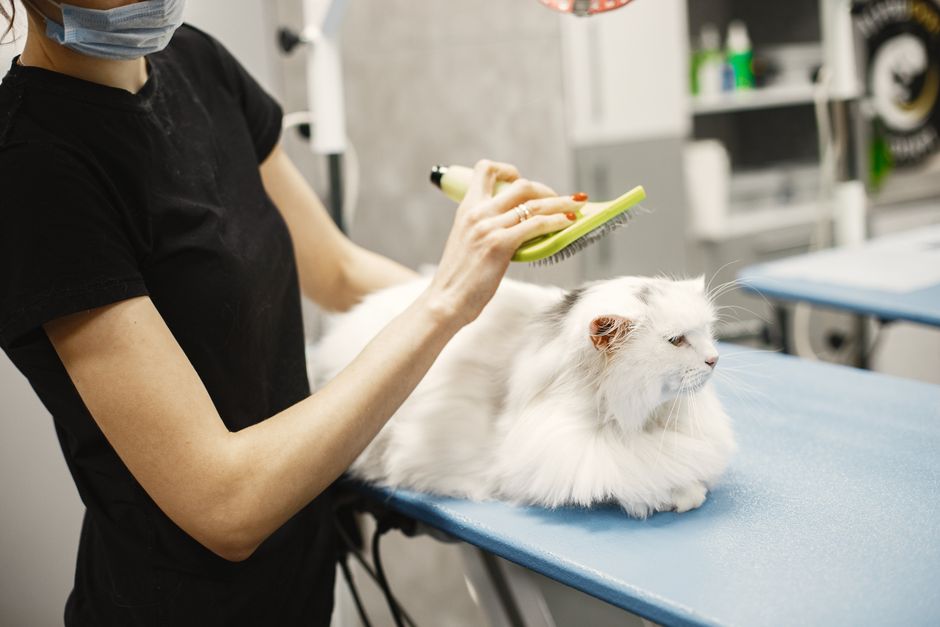
While some degree of hairball formation is normal, there are several effective ways to help prevent your cat from vomiting hairballs as frequently. Regular grooming at home is one of the most important steps you can take, especially for long-haired cats. Brushing your cat several times a week removes loose fur before it can be swallowed. During shedding seasons in Memphis, increasing the frequency of brushing can make a significant difference.
Feeding a diet formulated to reduce hairballs can help many cats. These diets contain higher levels of fiber and specific nutrients that support skin and coat health while encouraging hair to move through the digestive tract. Providing plenty of fresh water and encouraging play and exercise can also support overall digestive health.
Environmental enrichment—such as offering scratching posts, interactive toys, and climbing structures—can reduce stress and decrease over-grooming triggered by boredom or anxiety. If your cat is still vomiting hairballs despite these efforts, or if you notice changes in appetite, energy, or litter box habits, it’s important to consult your veterinarian for more personalized advice.
To make preventive care easy and affordable, Southern Crossing Animal Hospital offers monthly wellness plans for cats designed to cover routine exams, vaccinations, and other essential services that help keep your cat healthy and comfortable.
When Should You Worry? Knowing When to Contact Your Veterinarian
Occasional hairballs are a normal part of life for most cats, but certain warning signs mean it’s time to seek veterinary care. If your cat is vomiting hairballs more than once or twice a month, appears unwell, or experiences repeated gagging without producing a hairball, these are reasons to schedule an appointment. Other urgent symptoms include loss of appetite, lethargy, constipation, diarrhea, vomiting food or bile, or signs of abdominal pain.
Cats that are unable to pass a hairball may develop a dangerous intestinal blockage, which requires immediate veterinary attention. If you notice your cat straining in the litter box, crying out, or showing signs of distress, do not wait to seek help.
At Southern Crossing Animal Hospital, our emergency veterinary care services are available during regular business hours for urgent situations. Our team of veterinarians is prepared to diagnose and treat a wide range of feline health concerns, from routine hairball management to complex medical emergencies.
If you’re unsure whether your cat’s symptoms are cause for concern, we encourage you to call (901) 459-3012 to speak with our veterinary professionals. We’re always here to help you make the best decision for your cat’s wellbeing.
Supporting Your Cat’s Health: Partnering with Southern Crossing Animal Hospital
Caring for your cat means being attentive to changes in behavior, appetite, and health—including issues like cats vomiting hairballs. By staying proactive with regular grooming, providing a balanced diet, and scheduling annual wellness exams, you can help reduce the risk of hairball problems and catch potential concerns early.
Our team at Southern Crossing Animal Hospital is committed to delivering excellence, compassion, and comprehensive care for every cat we see. Whether you’re dealing with a persistent hairball issue or simply want to keep your feline companion thriving, we invite you to schedule a wellness examination with us at our Memphis location. When searching for a veterinarian near me who understands cats and offers advanced diagnostics, gentle handling, and personalized service, our AAHA-accredited veterinary hospital sets the standard in Memphis and surrounding communities.
If you have questions about cats vomiting hairballs or would like to book an appointment, contact our veterinary team at (901) 459-3012 or visit us at 614 Minor St, Memphis, TN 38111. We’re dedicated to helping your cat enjoy a comfortable, healthy life—year after year.
This blog is for informational purposes only and should not replace professional veterinary advice. If your cat is experiencing frequent vomiting or other concerning symptoms, please consult your veterinarian for a thorough evaluation and personalized recommendations.