Giardia in Dogs: Symptoms, Risks, and Treatment Options


Giardia in Dogs: Symptoms, Risks, and Treatment Options
As spring arrives in Memphis and the weather warms up, many dog owners look forward to enjoying more time outdoors with their companions. However, increased outdoor activity also brings a higher risk of certain health concerns, including giardia in dogs. At Southern Crossing Animal Hospital, located at 614 Minor St, Memphis, TN 38111, our commitment to Excellence, Commitment, and Compassion means we prioritize keeping you informed about common risks like giardia. If you are concerned about intestinal parasites, this comprehensive guide will help you recognize the signs of giardia, understand how it spreads, and learn what steps you can take to protect your dog’s health. With our AAHA-accredited standards, Fear Free approach, and board-certified expertise, you can trust our veterinary team to provide advanced diagnostics and compassionate care for your dog.
Whether you live in East Memphis, Midtown, Cooper-Young, or nearby communities, knowing about giardia in dogs can help you keep your pet safe this season. Read on to discover what every dog owner in Memphis should know about this common parasite.
Recognizing the Signs of Giardia in Dogs
Giardia is a microscopic parasite that can infect your dog’s intestines, leading to gastrointestinal upset and discomfort. Understanding the symptoms of giardia in dogs is the first step in identifying a problem early and seeking timely veterinary care.
Key symptoms of giardia in dogs include diarrhea that may be soft, watery, or have a foul odor. Some dogs may also experience vomiting, weight loss, or decreased appetite, and in more severe cases, you might notice lethargy and dehydration. While some dogs show obvious signs, others may carry the parasite with only mild or intermittent symptoms, making it easy to overlook. Puppies, senior dogs, and those with weakened immune systems are particularly at risk and may show more severe effects from a giardia infection.
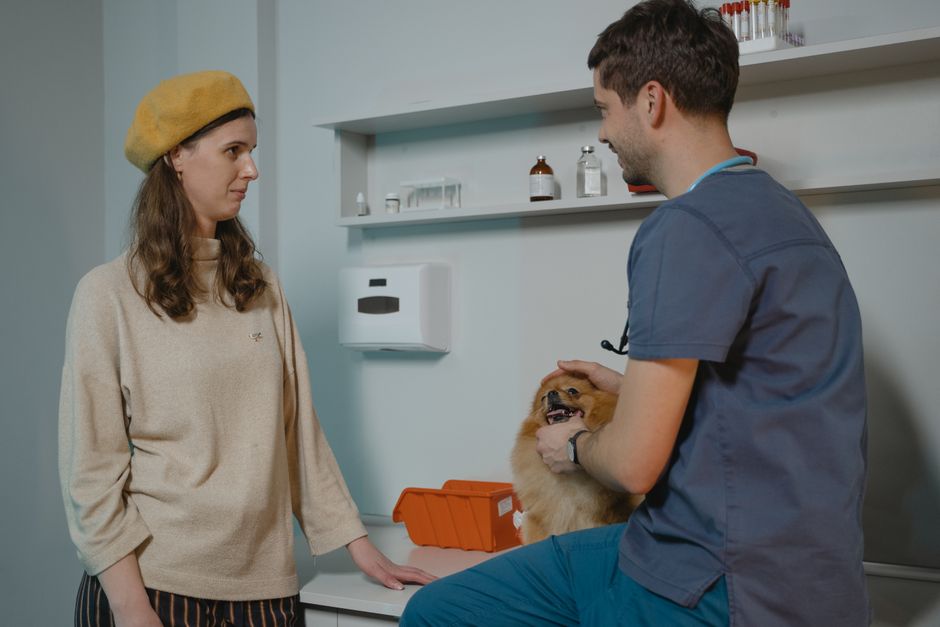
Because giardia can sometimes mimic other causes of gastrointestinal upset, such as dietary changes or stress, it is important to monitor your dog closely if you notice any changes in stool quality, frequency of accidents, or a sudden lack of interest in food. If you are unsure whether your dog’s symptoms could be related to giardia, our diagnostics laboratory at Southern Crossing Animal Hospital can provide accurate testing and help you get answers quickly.
What Causes Giardia in Dogs?
Understanding how giardia spreads is essential for prevention and effective management. Giardia is most commonly transmitted when a dog ingests the microscopic cysts shed in the feces of an infected animal. These hardy cysts can survive for weeks or even months in moist environments and are often found in puddles, standing water, contaminated soil, or on surfaces where infected animals have defecated.
In Memphis, the risk of giardia increases during the spring and after periods of heavy rain, as water runoff can carry the parasite into local parks, dog runs, and backyard areas. Dogs who enjoy drinking from outdoor water sources, playing in communal dog parks, or sniffing and licking objects on the ground are at higher risk. Additionally, giardia can be passed between dogs in multi-pet households, group play settings, or boarding environments if proper sanitation is not maintained.
While less common, it is possible for humans to contract giardia from contaminated water or direct contact with infected feces, so practicing good hygiene is important for the whole family. However, the risk of direct transmission from dogs to people is considered low when appropriate precautions are taken.
Professional Treatment Options for Giardia in Dogs
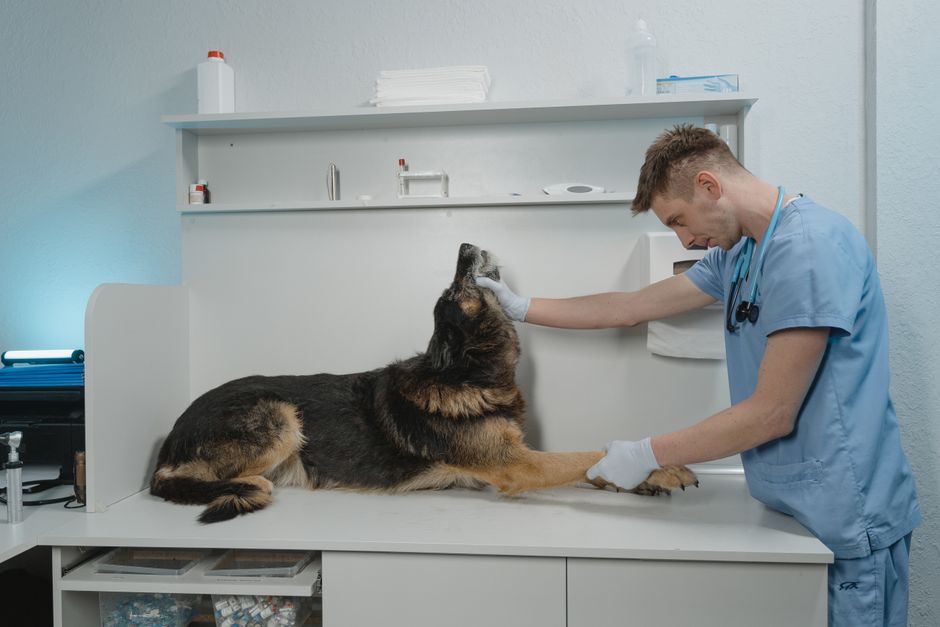
If your dog is diagnosed with giardia, the good news is that effective treatment is available with the help of your veterinarian. At Southern Crossing Animal Hospital, our approach to managing giardia is tailored to your dog’s unique needs and health status, ensuring the most comfortable and successful outcome.
Treatment for giardia in dogs typically involves prescription medications that target the parasite in the intestines. Common options include oral antiparasitic drugs such as metronidazole or fenbendazole, which are given for a specific course determined by your veterinarian. In some cases, a combination of medications may be recommended to increase the chances of clearing the infection. Our veterinary team is experienced in delivering Fear Free care, minimizing stress and discomfort for your dog during examinations and treatment.
In addition to medication, managing giardia often requires environmental cleaning to prevent reinfection. This means thoroughly washing your dog’s bedding, toys, and food and water bowls, as well as picking up stool promptly in your yard or when out for walks. We may also recommend a follow-up fecal test at our diagnostics laboratory to confirm that the infection has cleared before your dog returns to group play or boarding.
If your dog is experiencing dehydration or more severe symptoms, supportive care such as fluids or a special diet may be advised. Our veterinary care for dogs encompasses the full spectrum of diagnostics and treatment to ensure your pet receives the best possible care from start to finish.
Preventing Giardia in Your Dog: Home and Lifestyle Tips
Preventing giardia in dogs centers around minimizing your dog’s exposure to contaminated water, soil, and feces. Simple steps you can take at home and during outings include providing fresh, clean water for your dog at all times and discouraging drinking from puddles, streams, or communal bowls at parks. After walks or play sessions, especially in muddy areas or dog parks, consider wiping your dog’s paws and coat to remove any cysts that may have been picked up from the environment.
Good hygiene practices are essential for prevention. Always pick up your dog’s waste promptly and dispose of it properly to reduce environmental contamination. Regularly clean your dog’s bedding, toys, and bowls with hot, soapy water, and disinfect surfaces in your home where your dog spends time. For multi-pet households, keeping up with routine wellness examinations and vaccinations can help catch any issues early and keep all pets healthy.
If your dog attends daycare, boarding, or group play, choose facilities that prioritize cleanliness and require regular parasite screening. Our team at Southern Crossing Animal Hospital is always happy to discuss preventive care strategies tailored to your dog’s lifestyle and risk factors.
When to Seek Veterinary Care for Giardia Concerns
Prompt veterinary attention is key when you suspect giardia in dogs, as early intervention can help prevent more serious illness and reduce the risk of spreading the parasite. You should schedule an appointment with our veterinary team if your dog has persistent diarrhea lasting more than a day or two, if you observe blood or mucus in the stool, or if your dog seems lethargic or refuses food. Puppies, older dogs, and pets with underlying health conditions should be seen as soon as possible if you notice any gastrointestinal symptoms.
If your dog is diagnosed with giardia, follow your veterinarian’s treatment and cleaning recommendations closely, and be sure to complete all prescribed medications even if your dog’s symptoms improve quickly. Our team is here to support you throughout the process, from accurate diagnosis to follow-up care and prevention.
Should your dog develop sudden or severe symptoms such as vomiting with inability to keep water down, signs of dehydration, or significant lethargy, please contact us right away for urgent care guidance. Our emergency veterinary care resources are available during regular business hours to help your dog receive prompt attention when it matters most.
Protecting Your Dog From Giardia: The Southern Crossing Animal Hospital Difference
At Southern Crossing Animal Hospital, we believe that informed dog owners are empowered to make the best health decisions for their pets. Our AAHA accreditation and Fear Free approach ensure that every visit is designed for your dog’s comfort and safety. With advanced diagnostics, a comprehensive suite of veterinary services, and board-certified expertise, we are proud to serve Memphis and the surrounding communities with excellence and compassion.
If you notice any signs of giardia in dogs or have questions about preventive care, our veterinary team is here to help. Scheduling a wellness examination is the best way to address concerns early and keep your dog healthy year-round. When searching for a trusted "vet near me," look for a practice with a proven commitment to quality and patient comfort.
To schedule an appointment or discuss your dog’s needs, call Southern Crossing Animal Hospital at (901) 459-3012 or visit us at 614 Minor St, Memphis, TN 38111. Your dog’s health and happiness are always our top priorities.
This blog is for informational purposes only and does not replace professional veterinary care. Always consult your veterinarian for specific medical advice regarding your dog’s health.