Summer Tick Prevention for Dogs and Cats in Memphis

Summer Tick Prevention for Dogs and Cats in Memphis
As Memphis welcomes the warmth and greenery of summer, pet owners across the city become understandably concerned about ticks and the risks they bring to their dogs and cats. Ticks are more than just a nuisance; these tiny parasites can transmit serious diseases that threaten the health of your beloved companions. At Southern Crossing Animal Hospital, located at 614 Minor St, Memphis, TN 38111, our AAHA-accredited veterinary team is dedicated to helping you keep your pets tick-free and healthy throughout the summer months and beyond. In this blog, we will discuss how to recognize tick-related problems, what makes Memphis a hotspot for tick activity, effective prevention strategies, and when it is time to seek professional veterinary care. You will also find practical advice tailored for life with dogs and cats in East Memphis and surrounding communities, all rooted in our commitment to gentle, Fear Free handling and gold-standard veterinary care. If you are looking for a trusted resource on tick prevention or need expert guidance about your pet’s summer safety, our team is here to help.
Recognizing Tick Problems in Dogs and Cats
Summer brings an explosion of life to our backyards, parks, and walking trails; unfortunately, that includes ticks seeking a host. Knowing what signs to watch for can make all the difference for early intervention and peace of mind. Ticks are often found attached to your pet’s skin, especially around the head, ears, neck, and between the toes. You may notice a small, dark bump while petting your dog or cat, or your pet may scratch or bite at a particular area more than usual. Key symptoms of tick bites include localized redness, swelling, or irritation at the site, as well as scabbing after the tick falls off. More concerning signs, such as sudden lethargy, weakness in the back legs, fever, or joint pain, can indicate a tick-borne disease has developed. Cats are less commonly affected by some tick-borne illnesses, but they can still experience anemia, skin irritation, or, rarely, severe infections.
It is important to check your pet thoroughly after outdoor activities, especially if you have been in wooded areas, tall grass, or parks where ticks are common. Regular checks are vital for both dogs and cats, even if your companion spends most of their time indoors, as ticks can hitch a ride inside on clothing or other pets.
Why Ticks Are a Summer Threat in Memphis
Memphis’ humid, subtropical climate creates an ideal environment for ticks to thrive from late spring through early fall. The most common ticks in the area include the American dog tick and the lone star tick, both of which are adept at finding hosts in grassy backyards and shaded parks. Ticks need only a brief opportunity to latch onto your pet, and they can be active even in urban settings. Increased outdoor activity during summer months—whether you are hiking the Greenline, relaxing at Shelby Farms, or enjoying your own backyard—raises the risk of exposure.
Ticks are more than an itchy inconvenience. They can transmit a variety of diseases, including Lyme disease (though it is less common in Memphis than in other regions), ehrlichiosis, anaplasmosis, and Rocky Mountain spotted fever. These diseases can cause serious illness in both dogs and, less frequently, cats. Factors contributing to tick problems include the presence of wildlife in and around Memphis, overgrown lawns, and even mild winters that allow tick populations to survive year-round.
Veterinary Treatment and What to Expect
If you find a tick on your dog or cat, removing it promptly and safely is your first step. However, even after a tick is removed, there is still a risk of disease transmission. If your pet develops symptoms such as persistent fever, loss of appetite, lameness, or changes in behavior following a tick bite, it is essential to schedule an appointment with your veterinary team at Southern Crossing Animal Hospital.
During a veterinary visit, our experienced veterinarians will perform a thorough examination and may recommend bloodwork or specialized testing to check for tick-borne diseases. Treatment options depend on the type of illness and can involve antibiotics, anti-inflammatory medications, and supportive care such as fluids or pain management. Early intervention leads to better outcomes, so do not delay if you notice concerning symptoms.
For pets with heavy tick infestations or those who develop skin irritation or allergic reactions, professional removal and dermatologic care may be necessary. Our practice offers advanced diagnostics and veterinary dermatology services for pets, ensuring that your companion receives comprehensive care for both the immediate problem and any underlying issues.
Home Prevention: Keeping Ticks Away from Your Pet
Preventing tick bites is far easier and less stressful than treating tick-borne disease. The most effective strategy is a combination of veterinary-recommended preventives, environmental management, and routine checks. At Southern Crossing Animal Hospital, we offer a variety of safe, effective tick preventives—ranging from monthly oral medications and topical treatments to long-lasting collars. These products are specifically designed for dogs and cats, and it is crucial to use the right medication for your pet’s species, weight, and lifestyle. You can conveniently access many of these options through our online pharmacy for pet medications and tick preventives, ensuring you have year-round protection.
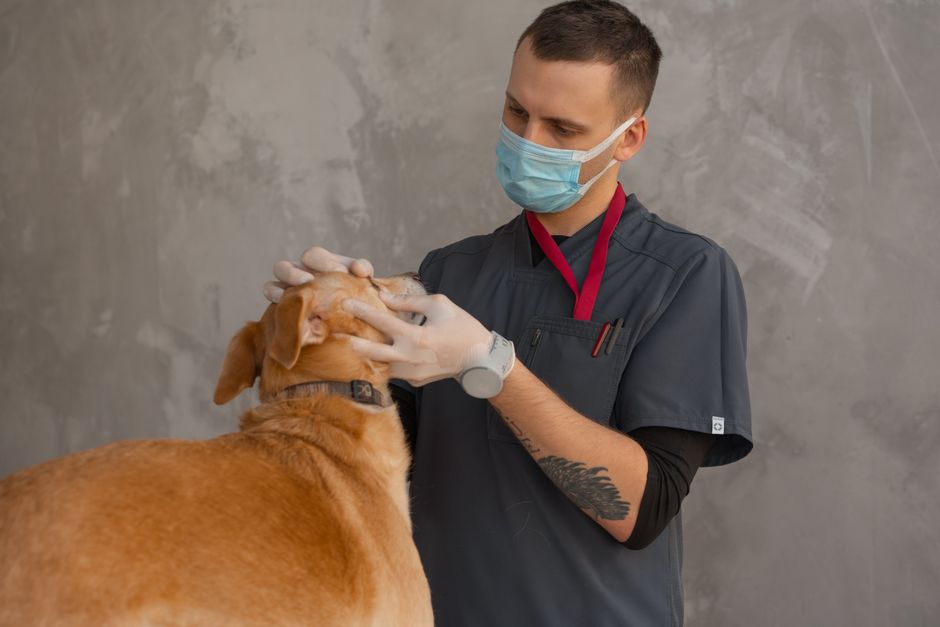
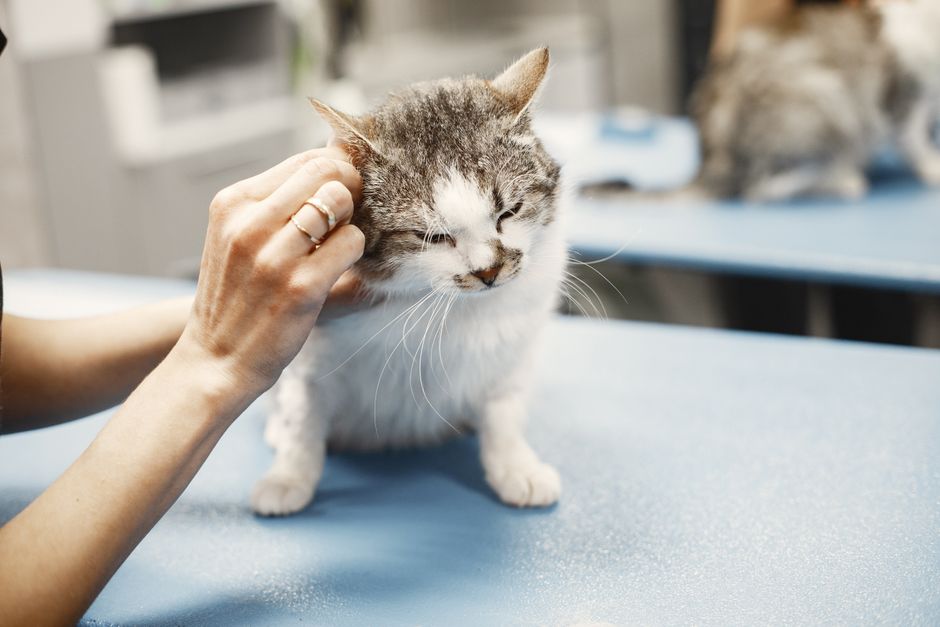
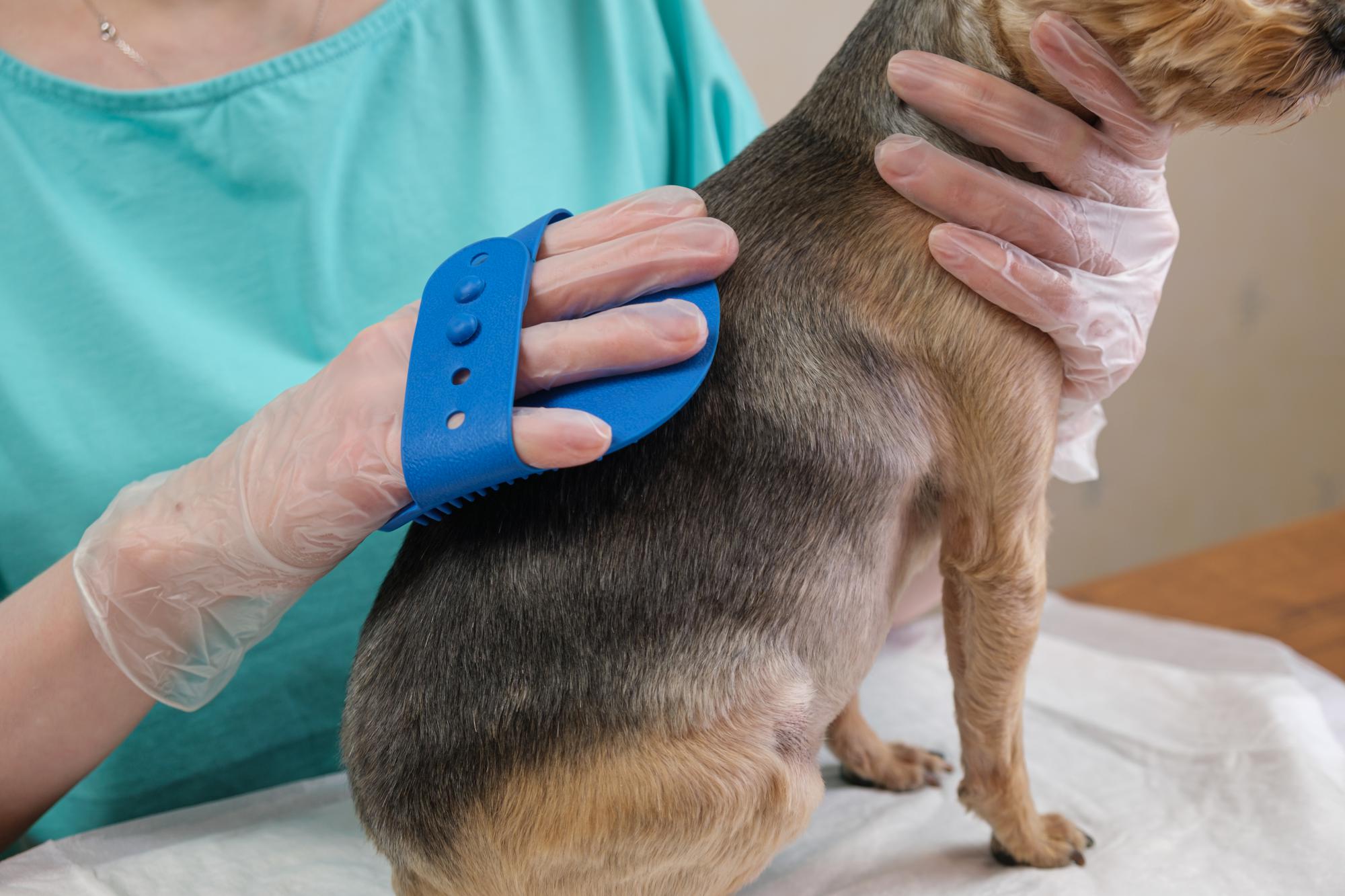
Regular tick checks are essential, especially after outdoor adventures or walks in grassy areas. Run your hands along your pet’s skin, paying close attention to areas around the ears, neck, and between the toes. Prompt removal with a tick removal tool or fine-tipped tweezers helps reduce the risk of disease transmission.
Creating a tick-unfriendly environment in your yard also plays a role. Keeping grass mowed short, removing leaf litter, and limiting wildlife access help decrease tick populations. For families with both dogs and cats, ensure that all pets are on appropriate preventives, as ticks can move between animals.
When to Seek Veterinary Care for Tick Issues
While many tick encounters can be managed at home, there are situations where professional veterinary care is essential. You should schedule an appointment if you are unable to remove the tick, if the area becomes increasingly red, swollen, or painful, or if you notice signs of illness such as fever, lethargy, joint pain, pale gums, or sudden weakness. Early intervention is the key to preventing more serious complications.
Pets with underlying health issues, young puppies and kittens, or older animals may be at greater risk for complications and should be monitored closely. If you are ever in doubt, our veterinary team encourages you to reach out for guidance. You can also learn more about emergency veterinary care and when to act quickly if your pet’s symptoms seem severe or life-threatening.
Preventive Wellness and Year-Round Tick Safety
Tick prevention is not just a summer concern; thanks to Memphis’ mild winters, ticks can remain active throughout much of the year. Including tick prevention as part of your pet’s regular health routine is the best way to safeguard them against unexpected threats. Our wellness examination includes a thorough discussion of parasite risks, customized prevention plans, and ongoing support to ensure your pet is protected. The Southern Crossing Animal Hospital team is committed to delivering preventive care that fits your lifestyle and supports your pet’s long-term wellbeing.
For families interested in a more comprehensive approach, our Snout Wellness Plans offer bundled preventive services tailored to your dog or cat’s needs, making it easier than ever to stay ahead of seasonal threats like ticks.
Compassionate Tick Prevention Support in Memphis
Keeping your dog or cat tick-free in Memphis requires a proactive approach and a trusted veterinary partner. At Southern Crossing Animal Hospital, we take pride in providing gentle, compassionate care that prioritizes your pet’s comfort and safety—whether you are scheduling a routine checkup, seeking advice about tick preventives, or addressing an urgent concern. If you are searching for a reliable "vet near me" to help you manage summer tick prevention or any aspect of your pet’s health, our AAHA-accredited team is ready to support you every step of the way.
To schedule an appointment or learn more about our approach to tick prevention, contact our veterinary professionals at (901) 459-3012 or visit us at 614 Minor St, Memphis, TN 38111. For more information on keeping your pet healthy year-round, explore our comprehensive care and health information for dogs and expert care services for cats. Your pet’s summer safety is our top priority, and we are honored to be your trusted partner in veterinary care for Memphis and surrounding communities.
Medical Disclaimer: This blog is for informational purposes only and is not a substitute for professional veterinary advice. If you are concerned about your pet’s health or have questions about tick prevention, please consult your veterinarian directly.